Legends and Lore
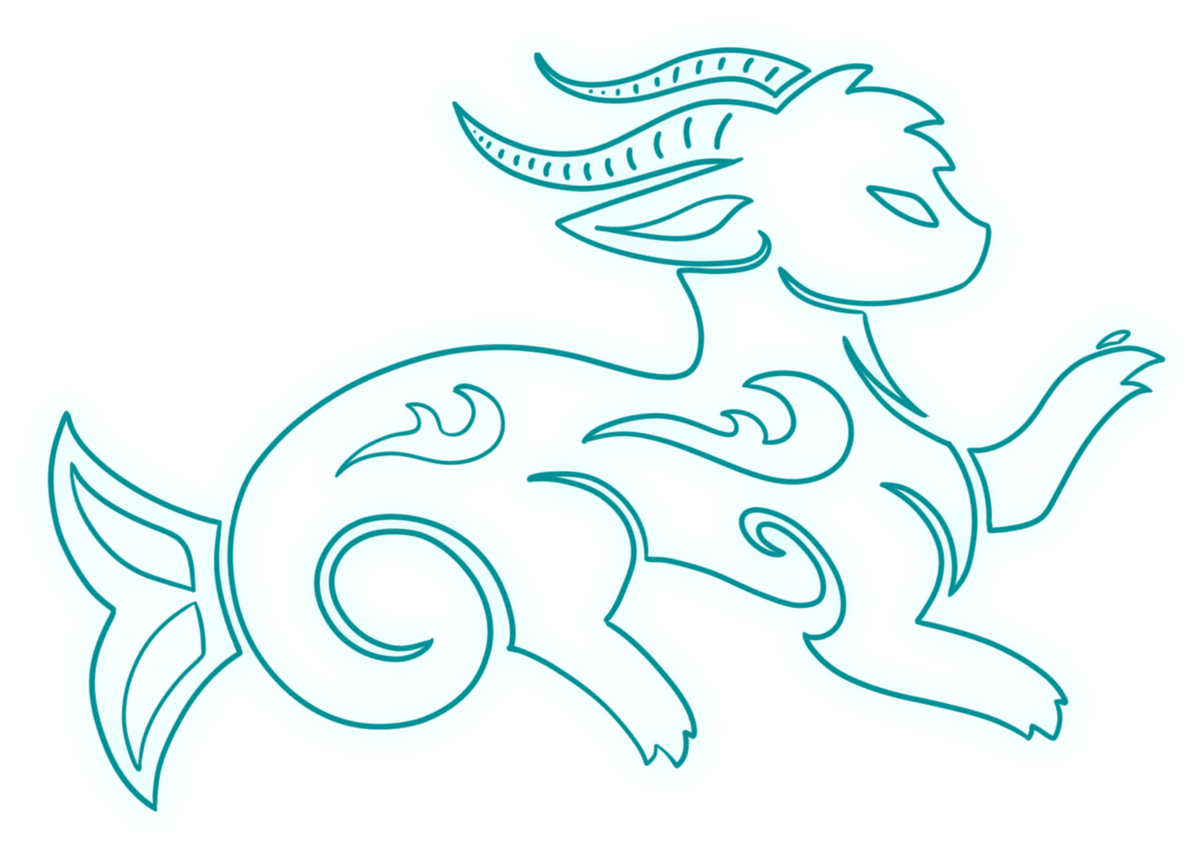
Explore The History of the Skipper Drake
The Basics
What Makes A Skipper Drake?
Extras
Join The Community!
Anatomy
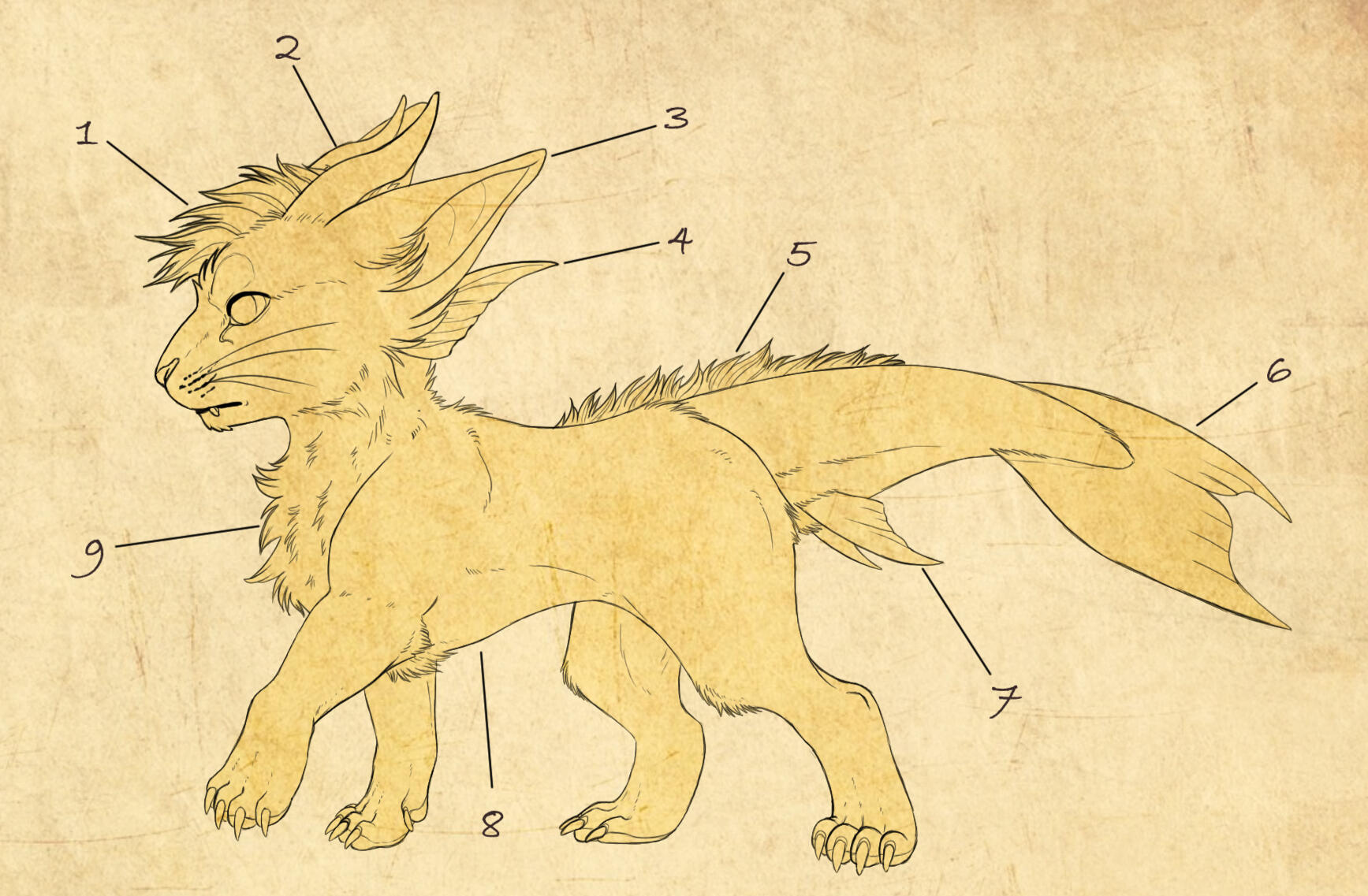
̶̶̶̶ «̶ ̶̶̶ ̶ «̶ ̶̶̶ The Basics ̶ ̶»̶ ̶̶̶ ̶ »̶ ̶̶̶
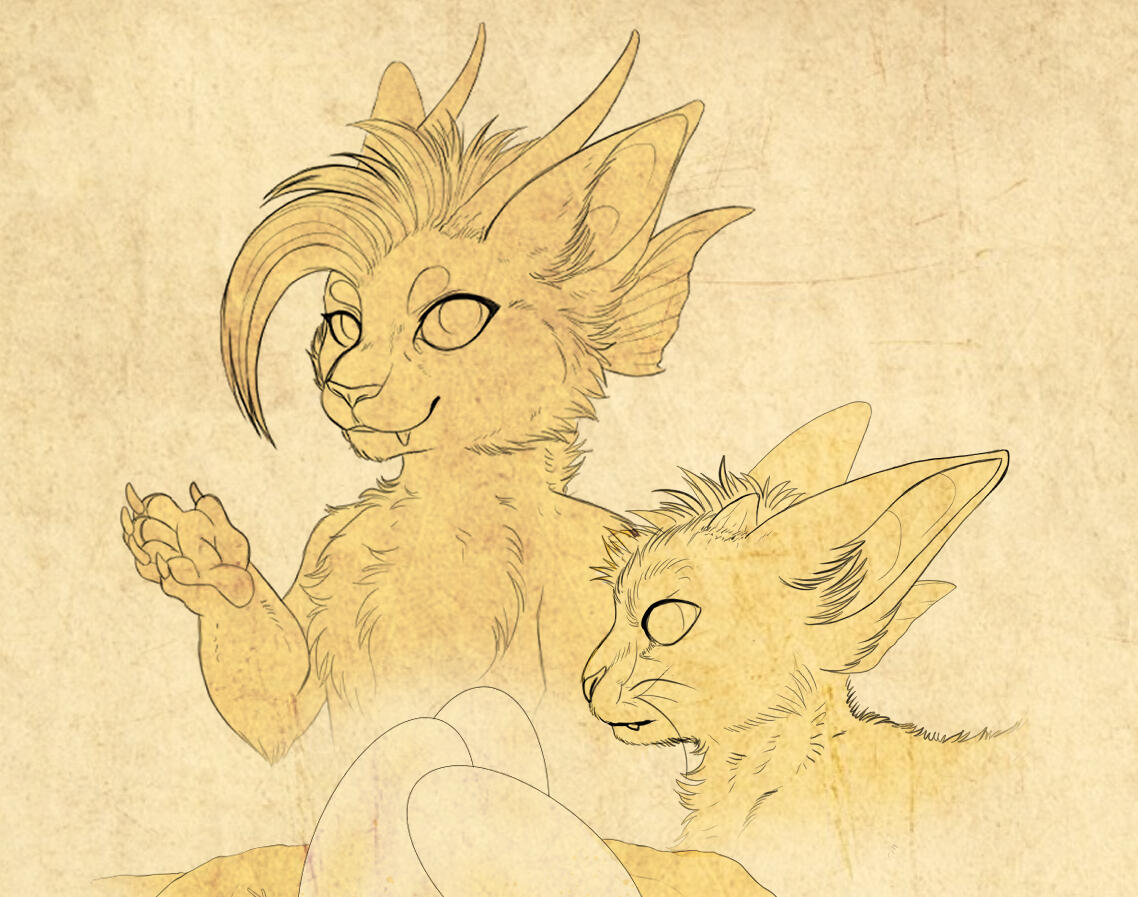
① - Skipper drakes all have a mane, which starts from the center of their forehead and continues to the back of the head. In some cases, this mane can continue farther down the spine and sometimes even connect with the dorsal fur.② - A pair of horns is always present here, and there is a variety of shapes and sizes found in this species. Horns or spines elsewhere on the body are much less common, but possible.③ - Long, thick ears have their sleek fur on the back and a soft, velvety texture on the inside. When swimming at high speed, a skipper drake's ears can be pinned back against their neck; This allows the ear to fold and prevent damage to the inner ear.④ - Auxillary fins are located at the back of the jaw, just under the ears. These fins can be any shape and typically match the other fins along their bodies.
⑤ - A skipper drake's dorsal fur starts at the center of their spine and typically grows to the center of their tail, but has been observed to grow to the tip of their tail in some individuals.⑥ - Tail Fins are very sturdy despite their appearance and are made of a thick membrane capable of supporting their rapid tail strokes during high-speed swimming. In frigid climates, the tail fin may take on an even thicker state - much like a dolphin's.⑦ - Two smaller fins, called ventral fins protrude from the base of their tail and are made of the same type of membrane as their tail and auxillary fins.⑧ - Very short and compact bodies allow these critters to move easily though the water.⑨ - Skipper drakes have a sleek texture to their fur, much like an otter's or a seal's fur.
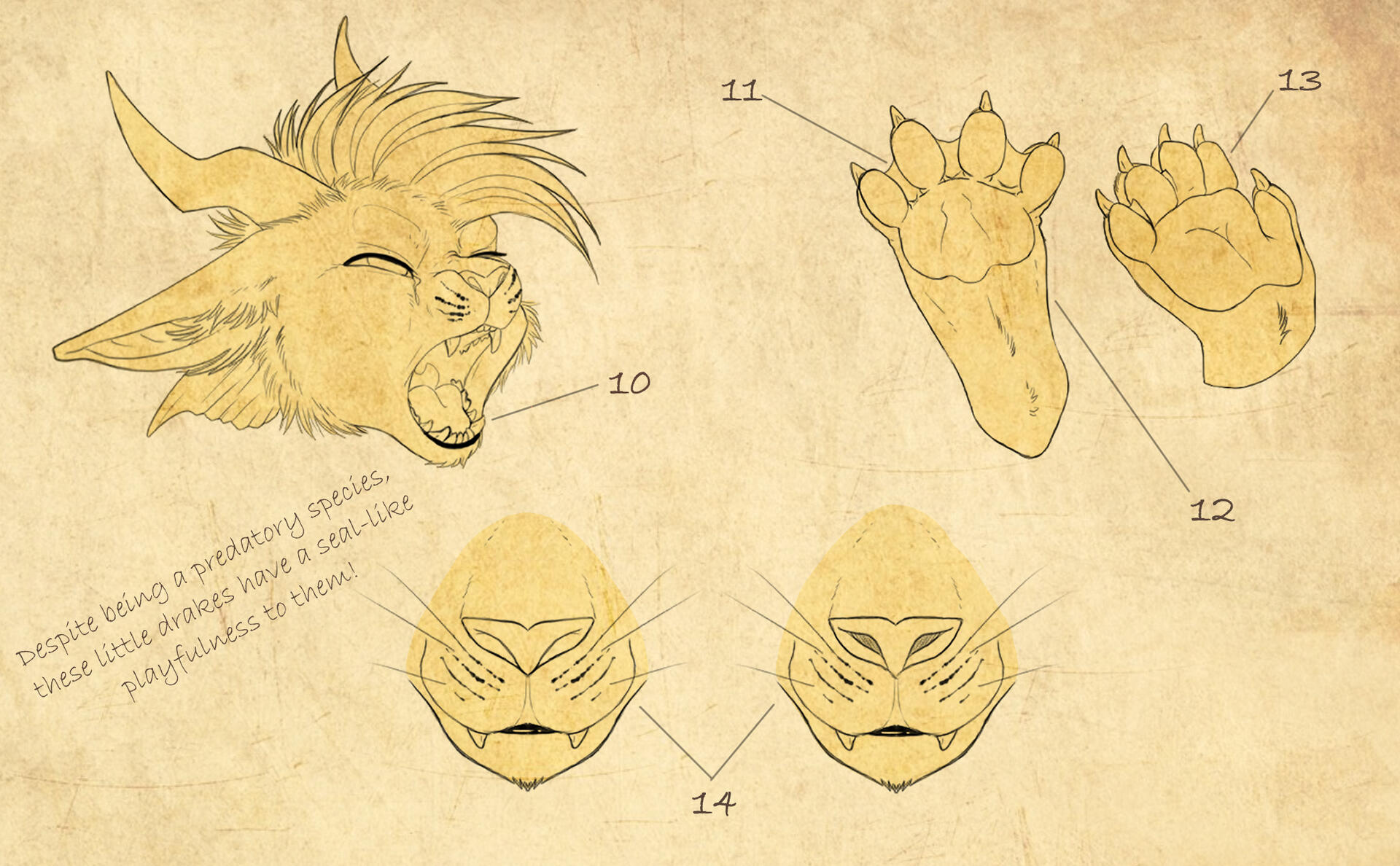
⑩ - Very sharp teeth are used for hunting a variety of sea life. Two pairs of fangs grow on their lower jaws to help them break through the shells of crustaceans and other shelled prey.⑪ - Toes are webbed to allow for better movement underwater, as well as allowing them to do their signature surface stride when swimming at full speed.⑫ - Rear feet have 4 toes, however it is also common to see skipper drakes with a dew claw on their rear feet. There does not seem to be a greater number of drakes with or without a dewclaw as the genetics of it seem random.
⑬ -Front feet have 4 fingers and a dew claw that acts very similar to a thumb. Pawpads resemble that of an otter, and these drakes tend to have roughly the same level of dexterity with their hands - This typically involves manipulating objects, handling shelled prey, or using very primitive tools to assist in feeding.⑭ - Skipper drakes are capable of using the muscle structure around their nose to close off their nasal passages while under water to prevent water from entering their sinuses. This is especially helpful when they are swimming at full speed .
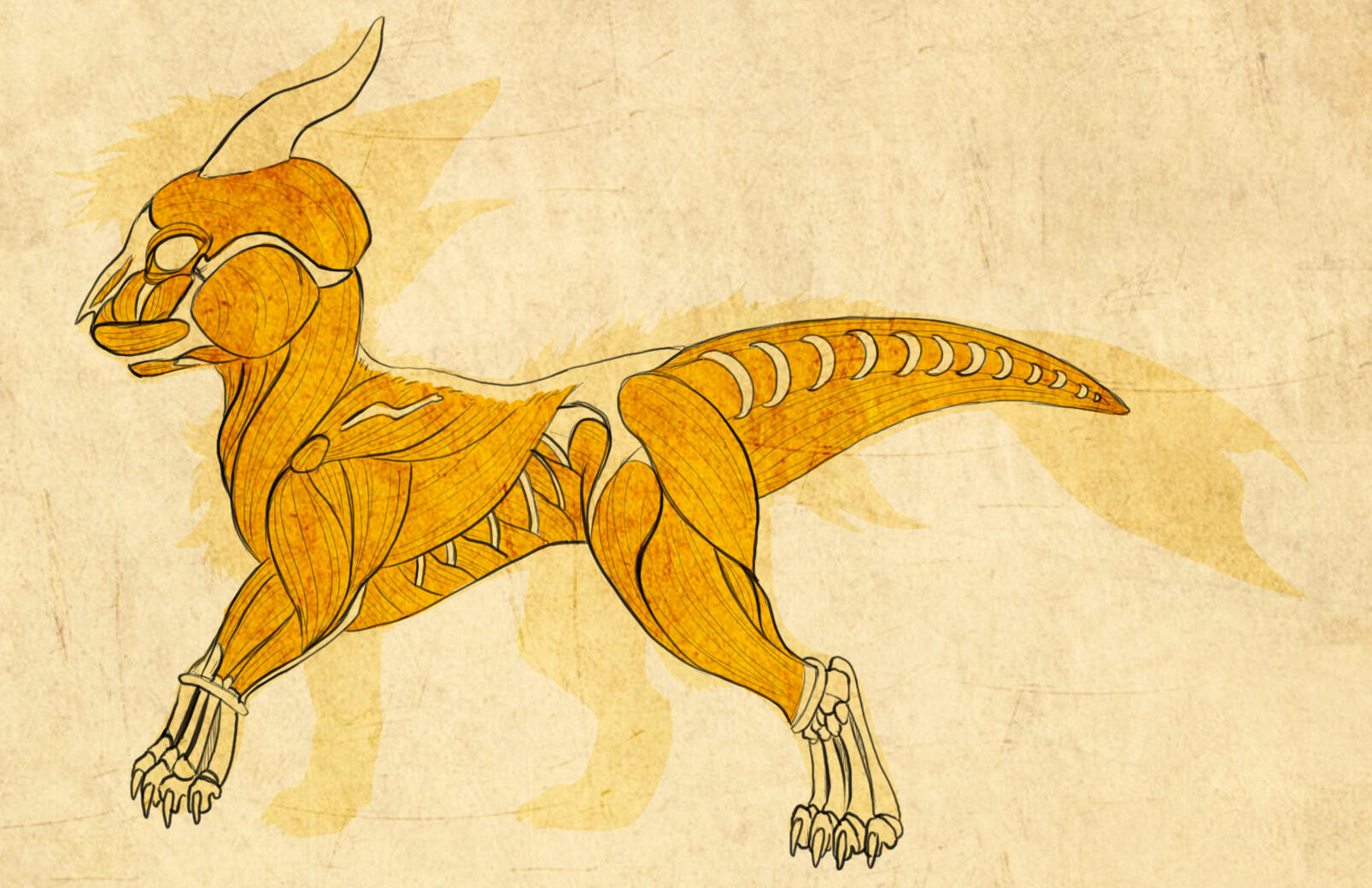
Skipper drakes have a very refined yet powerful muscular structure that allows them to swim at high speeds and maneuver with astounding accuracy. Their tails in particular have a thick layer of muscle tissue to support the tail's bones and ligaments during it's powerful strokes, allowing them to propel themselves up to 40 mph (64 kph) under water.
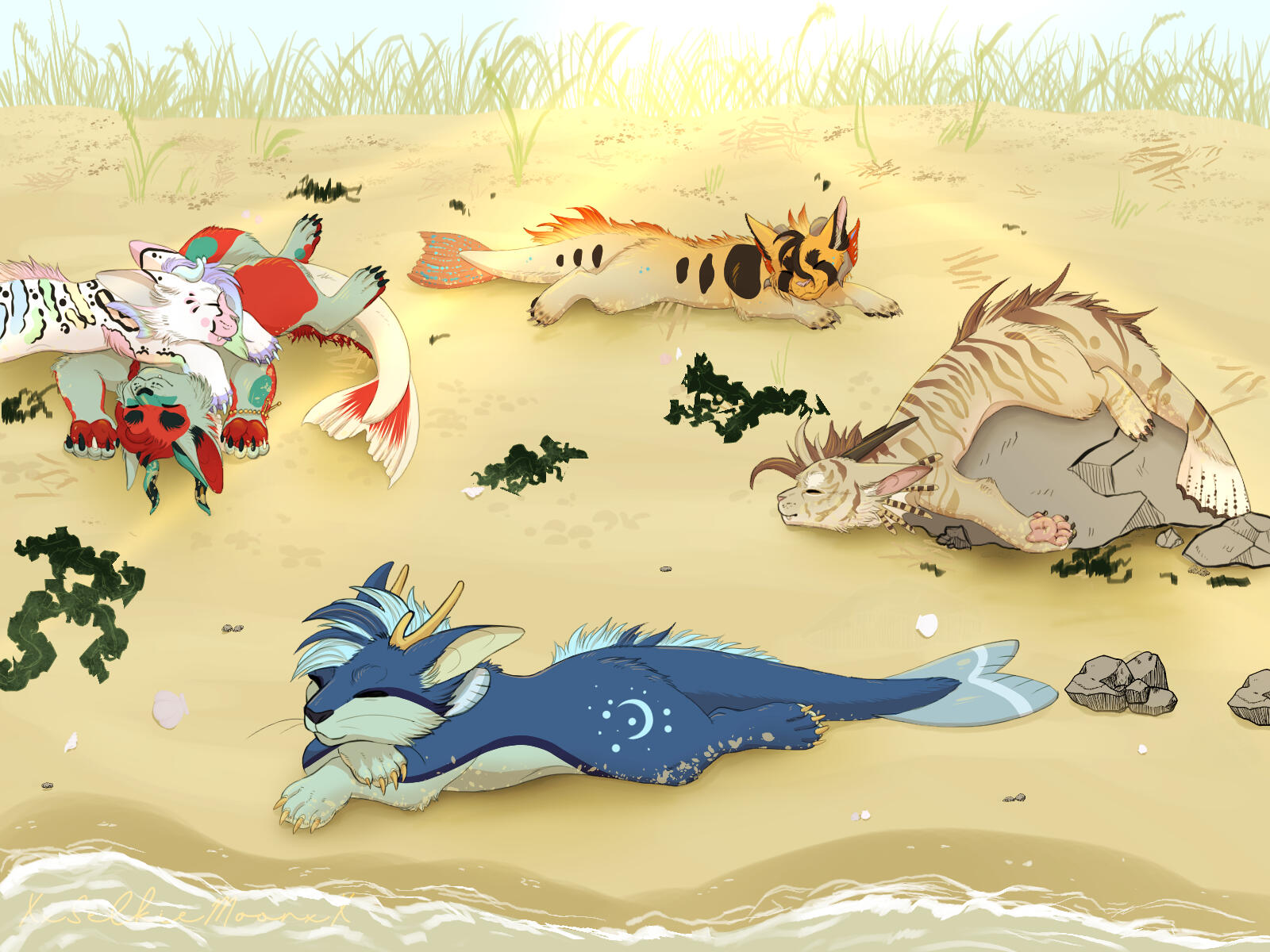
Because of how much energy they often exert while in the water, they need a significant amount of rest to avoid injury, and can often be found napping on the shore for hours at a time.
̶̶̶̶ «̶ ̶̶̶ ̶ «̶ ̶̶̶ Bipedal Posture ̶ ̶»̶ ̶̶̶ ̶ »̶ ̶̶̶
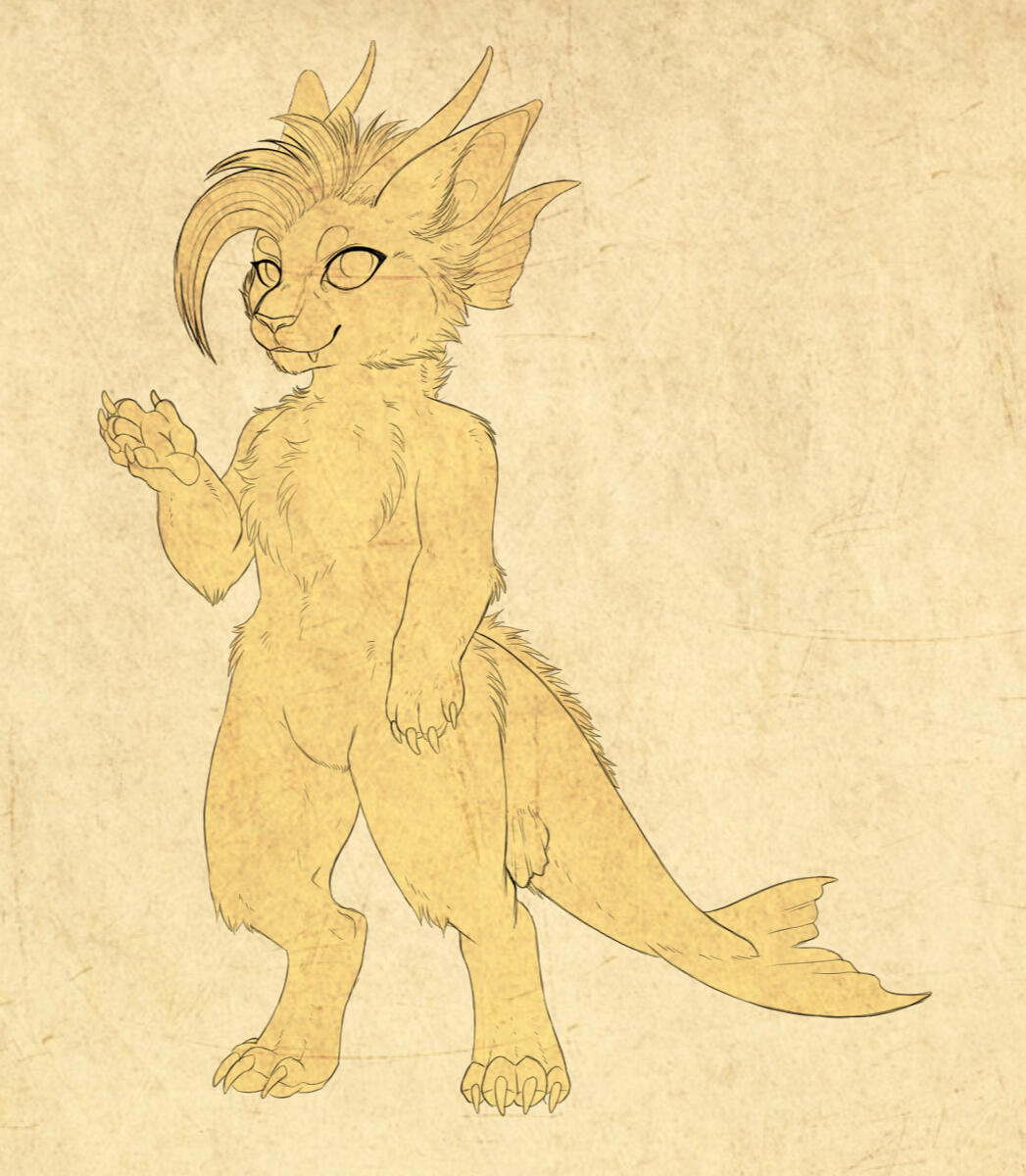
Like many other species native to the Ateran realm, skipper drakes are able to take on a bipedal posture. However, this is much less common among the drakes as they spend most of their lives in their standard quadrupedal posture.There are some skipper drakes who may live apart from their pods and choose to have a less primitive lifestyle, and those who do may prefer to spend most of their time in this stance instead - This is a mindset that is often outcast from most pods.
̶̶̶̶ «̶ ̶̶̶ ̶ «̶ ̶̶̶ Sex and Gender ̶ ̶»̶ ̶̶̶ ̶ »̶ ̶̶̶
There is not significant physical difference between male and female skipper drakes outside of their reproductive anatomy. Males and female drakes are identical in size and color, with anatomical differences within the species being tied to their habitat as opposed to their gender.
That being said, drakes with a gender presentation or identity aside from the reproductive characteristics they were born with have been observed, and does not seem to be unaccepted within individual pods.
Age Verification
The Page You Are About To Enter Contains Topics And Images Of NSFW Content For Viewers 18+ Years Of Age.By Clicking The Following Link, You Are Confirming That You Are At Least 18 Years Of Age And Will Be Directed To The Page.If You Are Not 18+ Or Do Not Wish To View This Content, Please Click The Alternative Link To Be Redirected.
Reproduction
Skipper drakes, like many other mammals, reproduce sexually via sperm and egg fertilization. Any drake capable of producing sperm is capable of impregnating a drake capable of producing eggs.Because of this, inter-species hybrids are possible but typically are frowned upon within their respective societies.
̶̶̶̶ «̶ ̶̶̶ ̶ «̶ ̶̶̶ Penis Anatomy ̶ ̶»̶ ̶̶̶ ̶ »̶ ̶̶̶
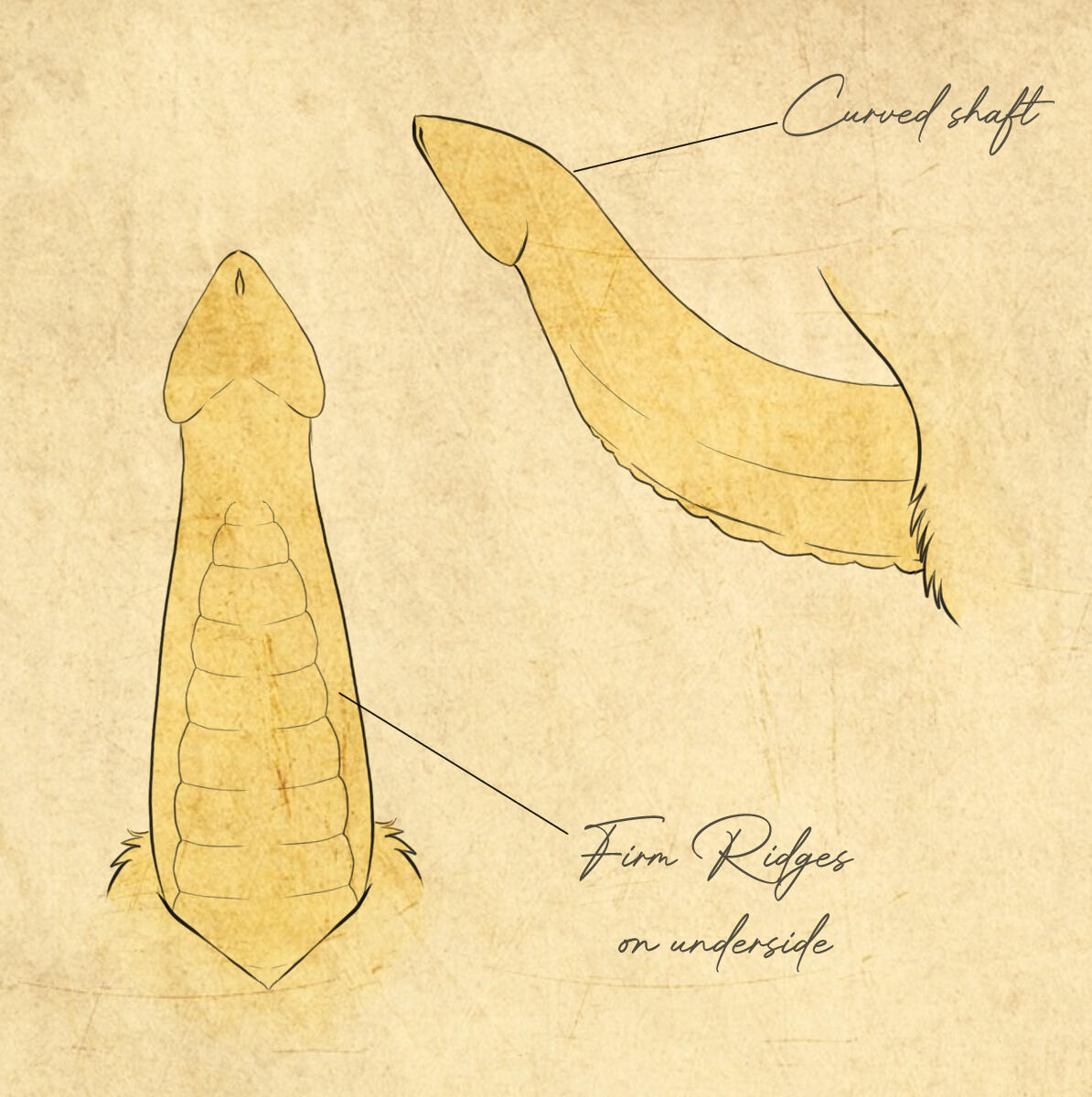
Skipper drakes exhibit internal genitalia that remains concealed until sexual arousal occurs. Their testicles are also internal and are only visible as a small lump at the base of their sheath when stimulated. The drake's penis features a series of firm ridges along its underside, an adaptation evolved to stimulate the vaginal canal of a drake with a womb, although these ridges can elicit pleasure regardless of the partner's sex. Adult male skipper drakes typically experience heightened sexual activity during the spring breeding season, followed by a period of reduced activity as the season ends. Despite this cyclical pattern, sexual behavior can still occur outside of the primary breeding season, though it is generally less intense.
̶̶̶̶ «̶ ̶̶̶ ̶ «̶ ̶̶̶ Womb Anatomy ̶ ̶»̶ ̶̶̶ ̶ »̶ ̶̶̶
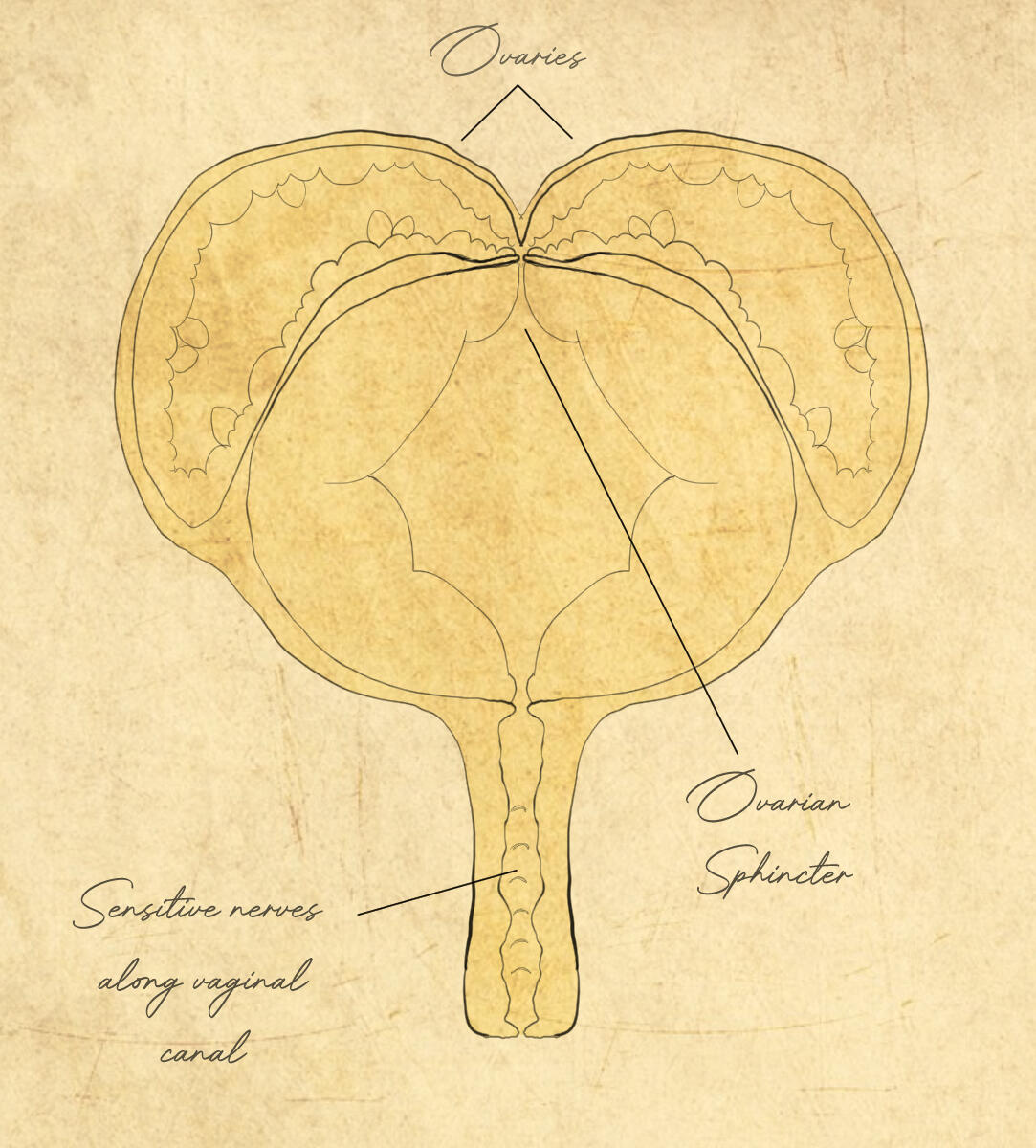
Skipper drake wombs are distinct from those of many mammals, having evolved to accommodate their unique reproductive process. Unlike typical mammalian anatomy, drake wombs lack fallopian tubes; instead, the ovaries are directly connected to the uterus via a sphincter.This sphincter remains tightly closed until several sensitive ridges within the vaginal canal are stimulated to the point of climax, at which point it relaxes to permit the passage of sperm for fertilization. Once fertilized, the egg is transferred to the womb, where it undergoes internal incubation and development until birth.The vulva of a skipper drake is minimally visible, discreetly concealed among their fur until sexual arousal occurs. While stimulation of the vulva can provide pleasure, it does not affect the relaxation of the ovarian sphincters in the context of reproduction.Skipper drakes with wombs typically experience periodic heats during the spring mating season, with intensity diminishing as the season progresses.
̶̶̶̶ «̶ ̶̶̶ ̶ «̶ ̶̶̶ Gender & Sexuality ̶ ̶»̶ ̶̶̶ ̶ »̶ ̶̶̶
While binary male and female skipper drakes are the norm for reproduction, variations in gender and sex characteristics are also observed within the species. Due to their advanced intelligence and strong sense of self and community, drakes with non-binary or atypical sex characteristics are embraced and celebrated. These individuals, known as Tidal Spirits, are revered for their fluidity and adaptability - they are seen as embodiments of the ever-changing nature of the seas.Sexual preference among skipper drakes can vary widely, particularly concerning their echo bonds. While many drakes still engage in their breeding season as expected, those with same-sex preferences may form partnerships with others of the same sex, especially if they are not interested in producing offspring or if they have an aversion to the opposite sex.
Habitat & Breeds
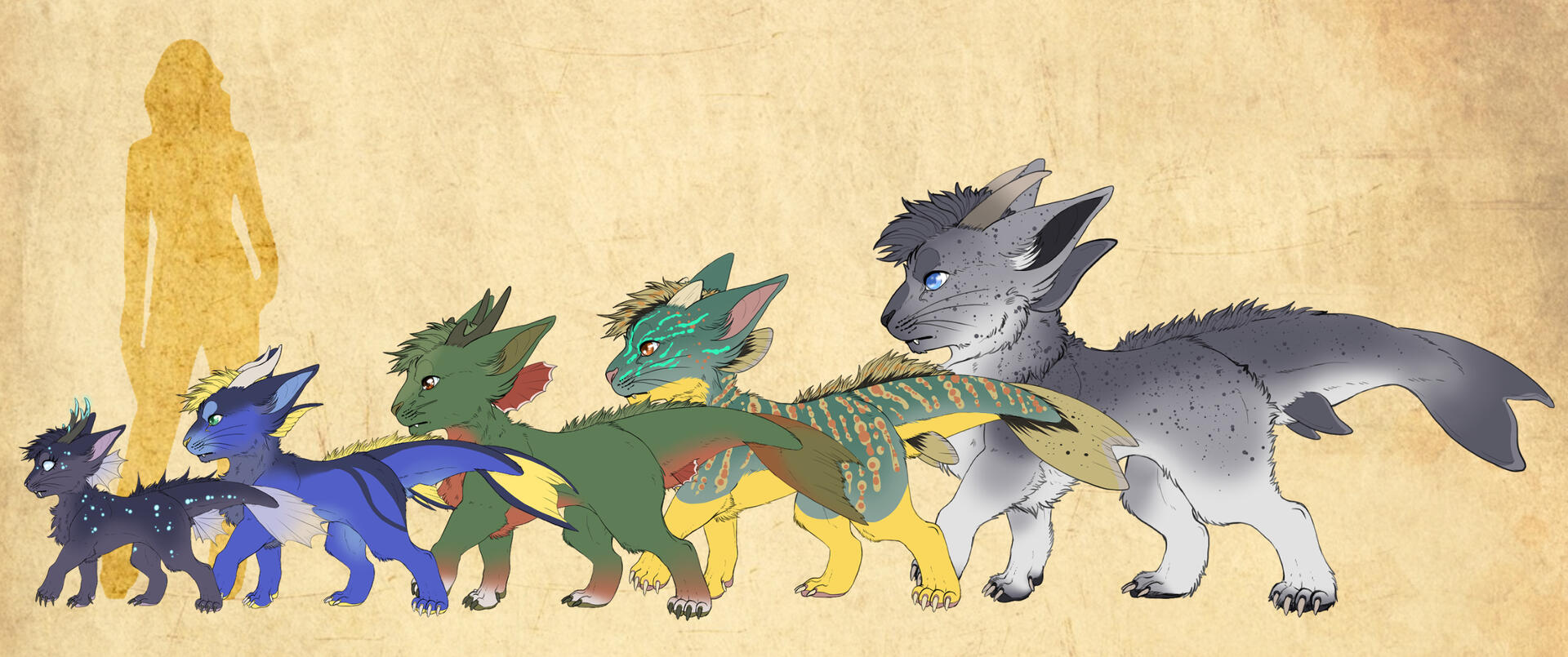
Skipper drakes can be found all over Atera, as well as other realms within Yggdrasil. It is uncertain how skipper drakes came to reside in surrounding worlds - although malicious intent such as poaching or sale of drakes as exotic pets is a big suspect.While these colorful creatures originated as a strictly marine species, they have long since evolved alternative breeds that have been able to adapt to a variety of other aquatic environments - Lakes, rivers, marshes, arctic, and deep-water zones are just a few examples of where drakes can inhabit. Because of the wide variety of habitats, each breed of skipper drake has evolved specific traits to adjust to their specific environment.
̶̶̶̶ «̶ ̶̶̶ ̶ «̶ ̶̶̶ Marine ̶ ̶»̶ ̶̶̶ ̶ »̶ ̶̶̶
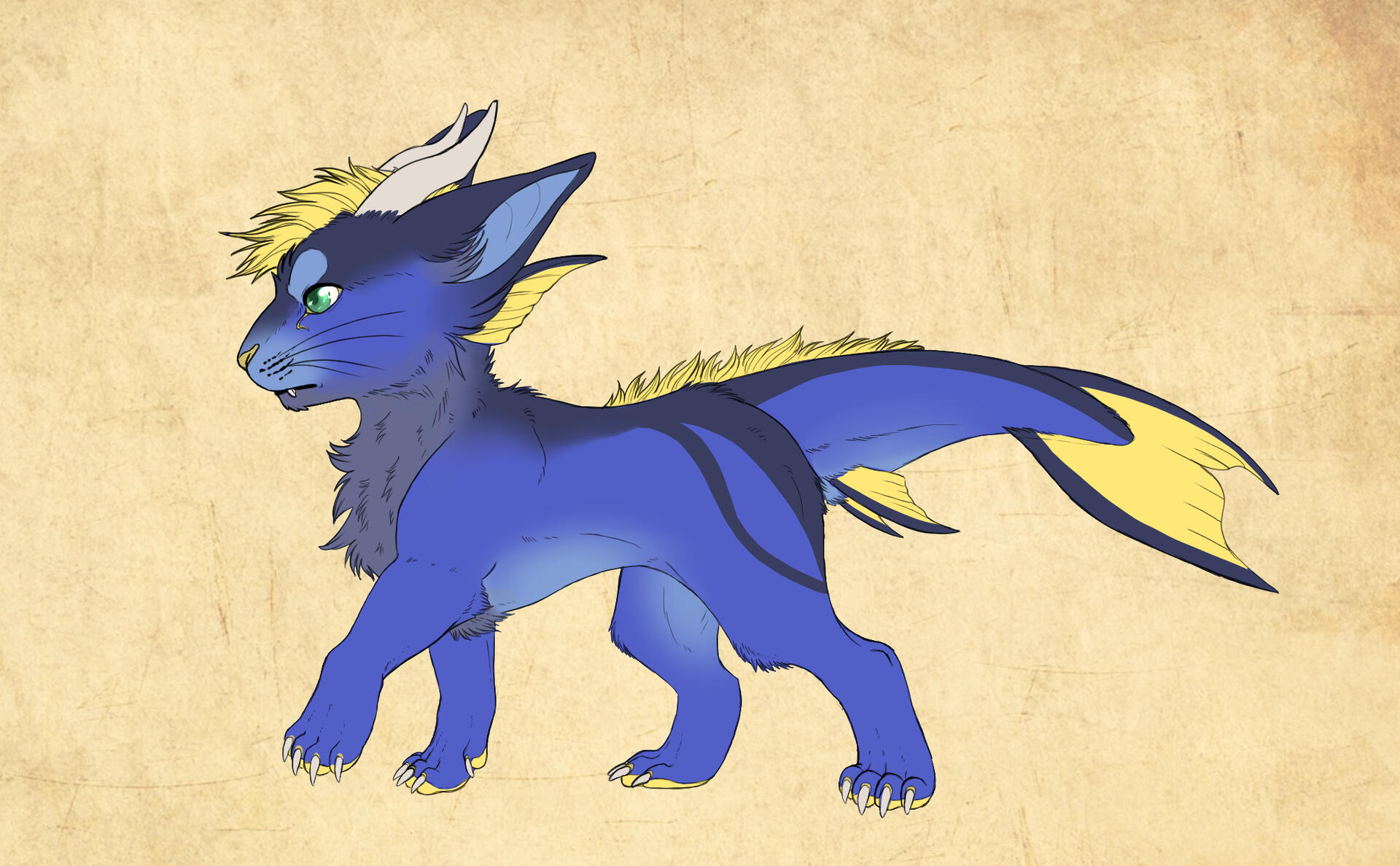
Marine skipper drakes have the species standard of drake body types. Typically on the smaller side of their anatomy, these drakes take residence in oceans and similar salt water environments. Marine drakes tend to have brighter and more vibrant coats, as well as slender, small bodies that aid in escaping larger predators. Bioluminescence is possible in this breed but is less common than abyssal drakes due to survival necessity.
̶̶̶̶ «̶ ̶̶̶ ̶ «̶ ̶̶̶ Freshwater ̶ ̶»̶ ̶̶̶ ̶ »̶ ̶̶̶
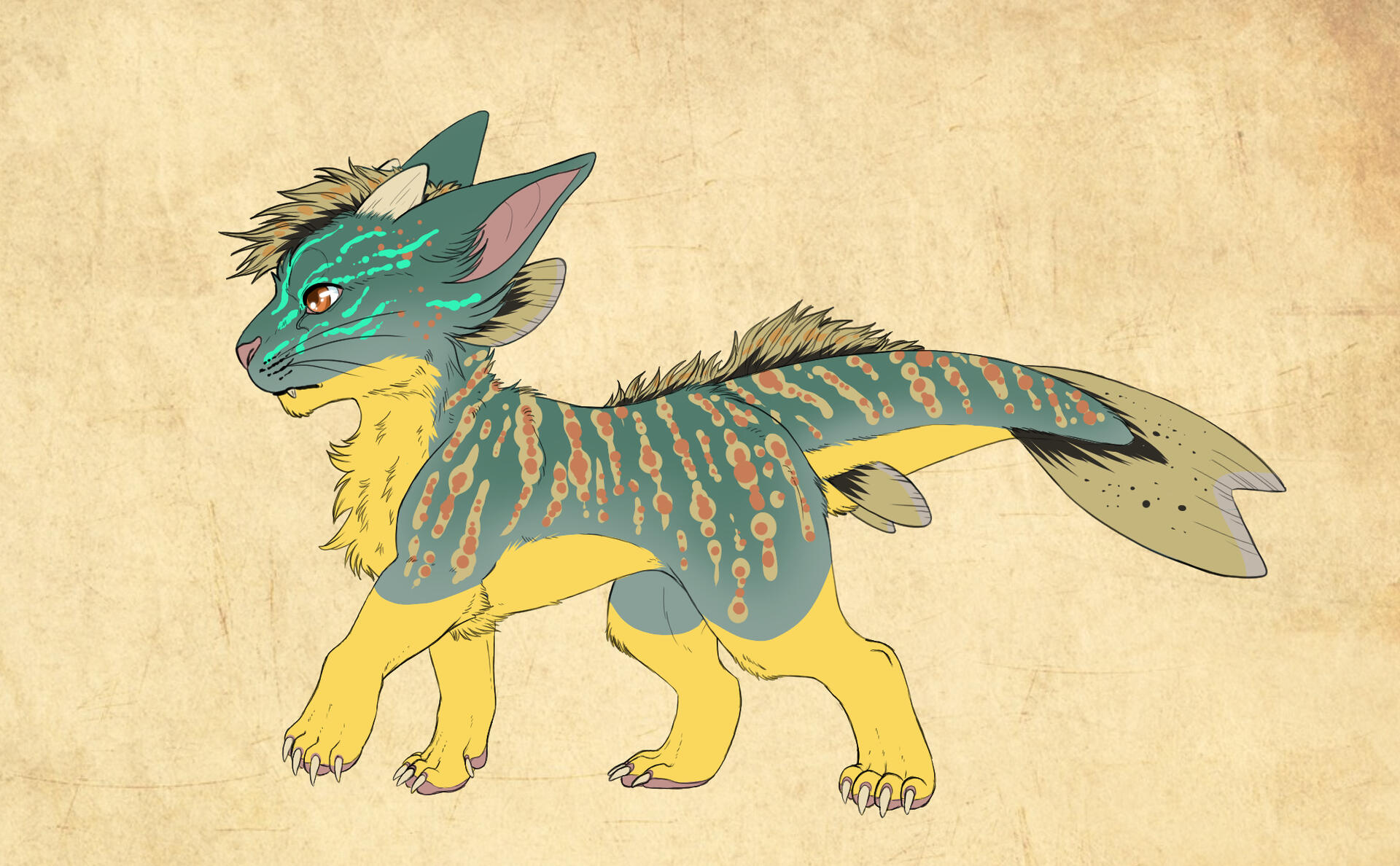
Fresh water skipper drakes are larger and less slender than their salt water counterparts, having more boxy features and less extravagant fins. Due to the lack of natural predators in freshwater environments, these drakes have evolved to be larger and less nimble. They tend to be more laid back and docile as a result as well. Bioluminescence is rare in this breed, however iridescence in their fur is possible.
̶̶̶̶ «̶ ̶̶̶ ̶ «̶ ̶̶̶ Brackish ̶ ̶»̶ ̶̶̶ ̶ »̶ ̶̶̶
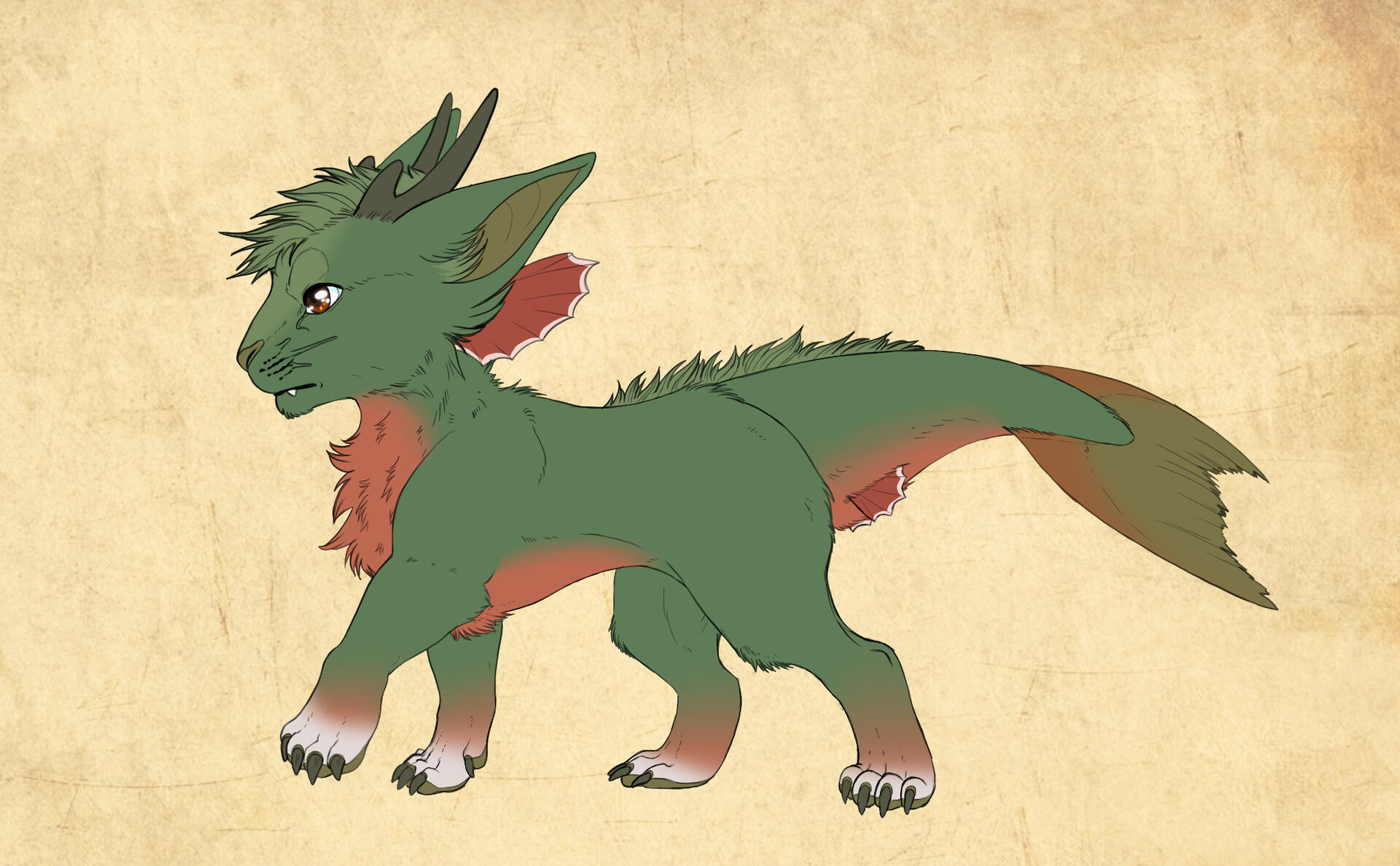
Brackish skipper drakes are native to rivers and sounds, where freshwater and saltwater meet. Due to their environments, brackish drakes are larger than the marine drakes, with stockier bodies adapted to swimming through strong currents without tiring. They have rounder muzzles and thicker tails, with significantly more muscular haunches. Their claws have evolved to be thicker and stronger, capable of digging through and gripping riverbeds. Bioluminescence is rare in this breed, as their fur is adapted to sheltering within the banks of rivers, bays, salt marshes, wetlands, and lagoons.
̶̶̶̶ «̶ ̶̶̶ ̶ «̶ ̶̶̶ Arctic ̶ ̶»̶ ̶̶̶ ̶ »̶ ̶̶̶
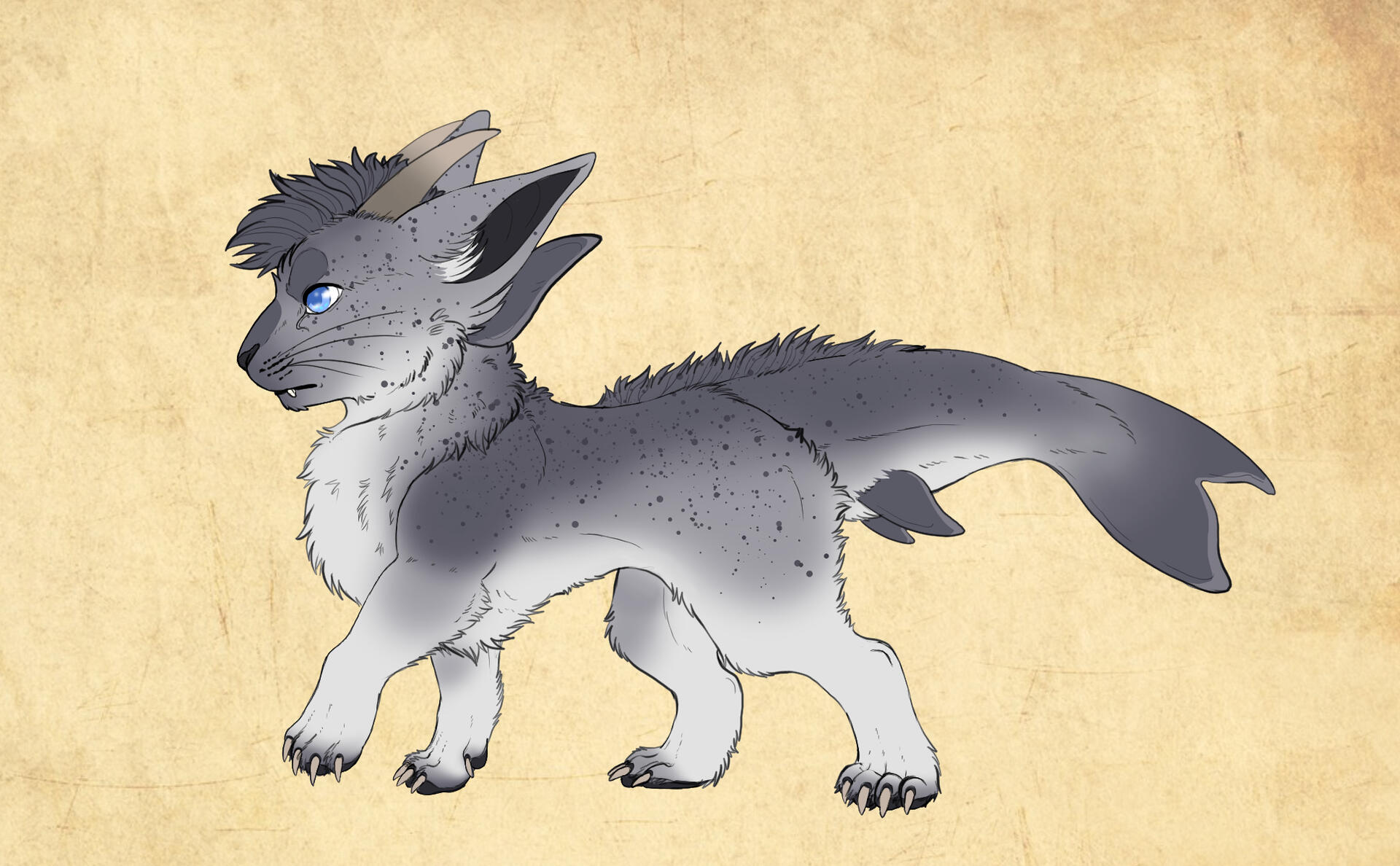
Arctic skipper drakes are the largest of the drake breeds, adapted to living in frigid environments. They have evolved thick, double-coated pelts that help retain their body heat when they are submerged - much like a wetsuit. Their fins are thicker and more cartilaginous, like that of a dolphin or whale, and they have evolved stronger teeth and claws to help hunt larger and thicker-skinned prey. Bioluminescence is not present in artic drakes due to their environments.
̶̶̶̶ «̶ ̶̶̶ ̶ «̶ ̶̶̶ Abysssal ̶ ̶»̶ ̶̶̶ ̶ »̶ ̶̶̶
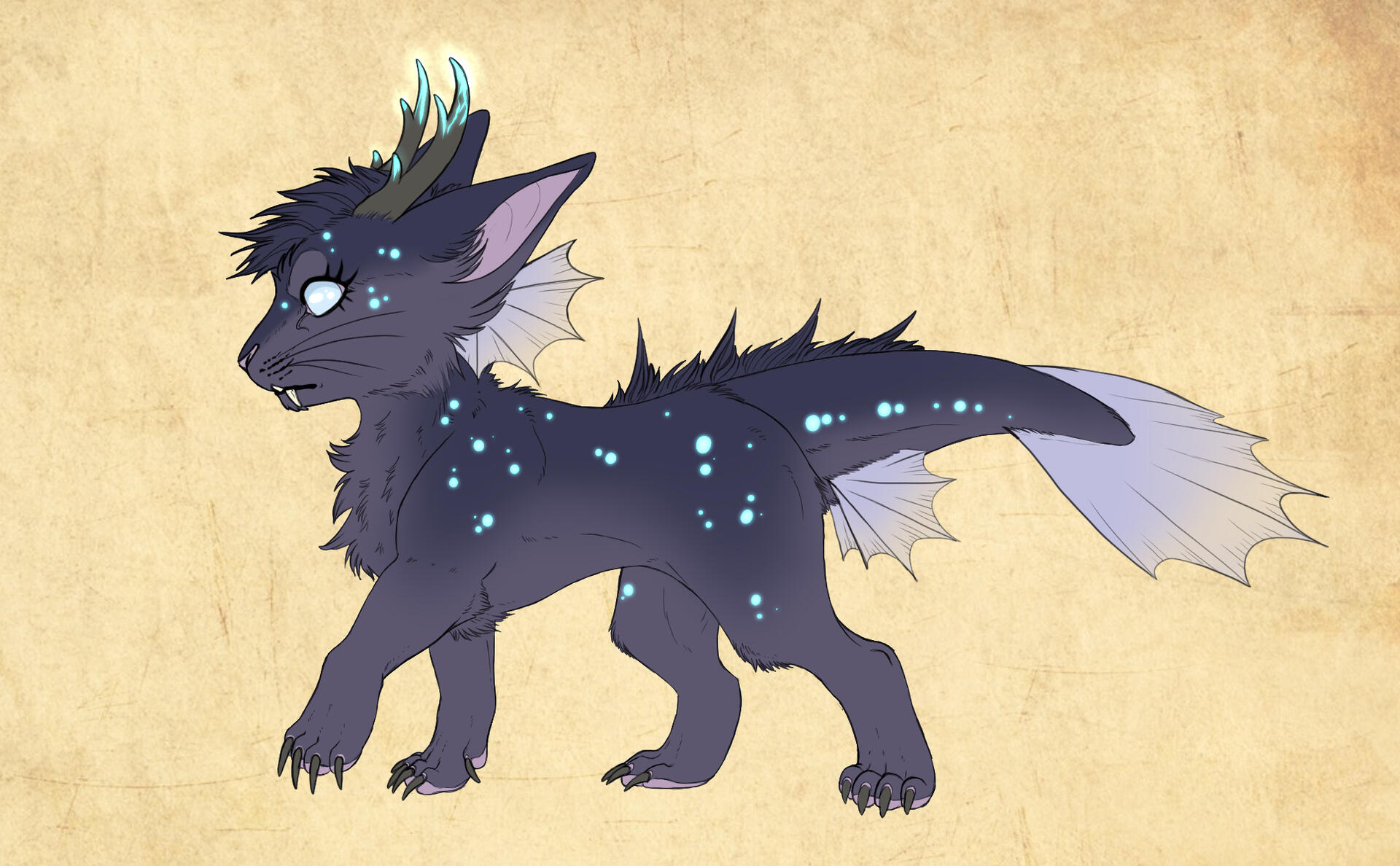
Abyssal skipper drakes are adapted to living in extreme, deep-water environments. Taking up residence in deep subaquatic cave systems when not swimming, these drakes have evolved significant anatomical changes to support their unique lifestyle. Abyssal drakes typically have darker coats with significant bioluminescence to aid in sight and identification in their dark environment. Their eyes, adapted to low-light settings, are a single solid color with thickened lashes to help keep debris away. The top fangs and the foremost set of lower fangs have evolved to be larger to better hunt undersea prey, along with longer claws. Their snout has a significantly narrower shape, with their fins typically being larger and more translucent than their sister breeds. Due to their isolated and dangerous habitat, abyssal drakes tend to be more aggressive and standoffish to outsiders.
The World of Atera
̶̶̶̶ «̶ ̶̶̶ ̶ «̶ ̶̶̶ The Realms ̶ ̶»̶ ̶̶̶ ̶ »̶ ̶̶̶
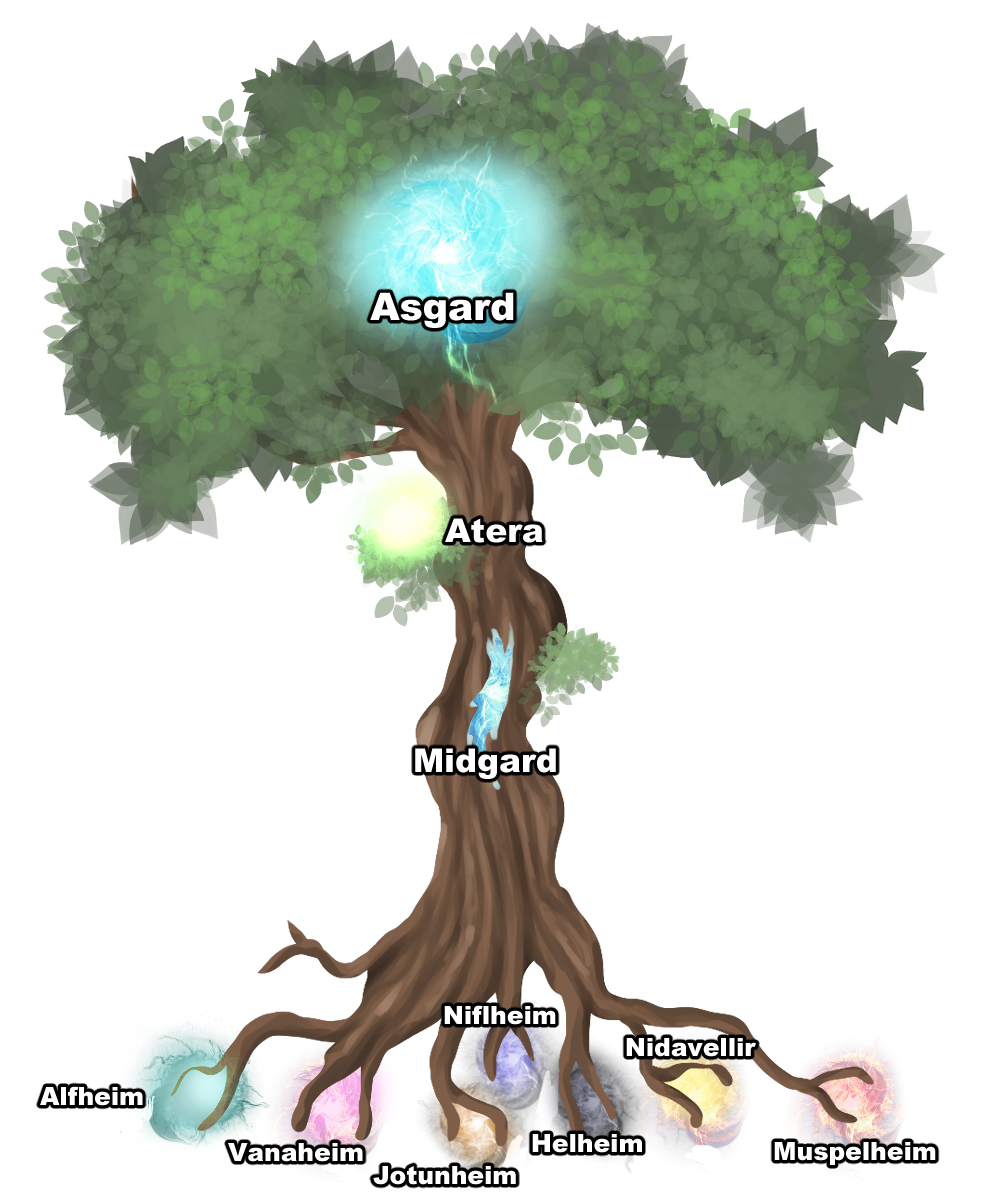
Yggdrasil, also called the world tree, plays a significant role in skipper drake existence. This tree, whether interpreted literally or figuratively, is what links all the ten realms together and, more importantly, makes them accessible. Because of this bridge between the realms, it was possible for the drakes to inhabit other realms outside of Atera, although this may be attributed to intervention outside of the skipper drake race, as they are unable to access the channels along the tree.
̶̶̶̶ «̶ ̶̶̶ ̶ «̶ ̶̶̶ Topography ̶ ̶»̶ ̶̶̶ ̶ »̶ ̶̶̶
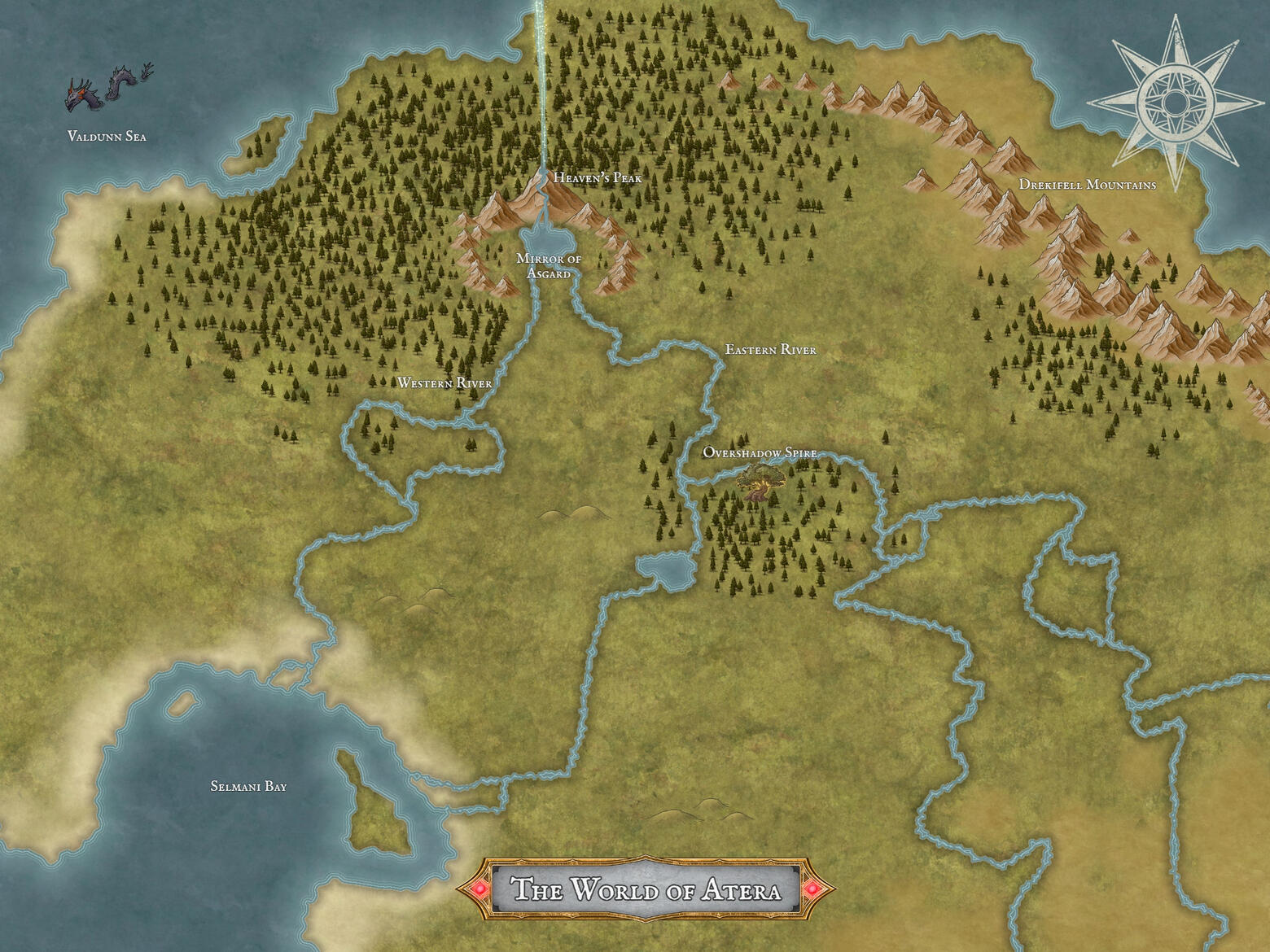
Atera, casually known as Hringr or The Circle, is a minor realm that sits just below Asgard on Yggdrasil. This realm is an extremely biodiverse world with a multitude of biomes including forests, mountain ranges, meadows, oceans and more. Extremes such as deserts or frozen tundras are minimal, but present in a few zones. What stands out the most is what gives this realm its namesake - a ring of mountains surrounding a clearing. The central ring of Atera sits at the base of a mountain called heaven's peak. This is considered a safe location to the flora and fauna that live in Atera, and is the birthplace of the waywicks' mother goddess Moðir.
Heaven's Peak is named such because of a waterfall starting at the peak of the mountain. The pool at the top of the mountain is fed directly from the aether and is considered to be a gift from Asgard. Because of this, the pool is considered to be a sacred place. The Sacred Pool waterfalls into a larger lake at the base of the mountain - called the Mirror of Asgard - which feeds two rivers that flow throughout the realm.
̶̶̶̶ «̶ ̶̶̶ ̶ «̶ ̶̶̶ History ̶ ̶»̶ ̶̶̶ ̶ »̶ ̶̶̶
Atera was not always the inhabited world it is today. Once an exclusive hunting ground for Asgardians, this realm contains areas for various prey animals to thrive, where they would later provide hunters with entertainment, sport, or simply meat for their supper. Móðir was born here as a part of Loki's mischief and spent a large portion of her life leading Odin and others on a futile chase beneath the canopies of the forest.The central ring was universally regarded as a place of peace for the inhabitants of Atera, and as such, hunting within the ring of mountains was forbidden. Anyone bringing back a trophy from the central ring would be subject to swift and sever punishment at the hands of Odin himself. Because of this sense of safety and security, many Aterans often retreat here as an escape from any troubles or stress they may be feeling.Because of the growing and flourishing cultures within the realm, Aterans are no longer regarded as prey animals and are respected as native inhabitants of Atera among Asgard's inhabitants. As the associations with hunting faded from Atera's purpose, more and more species began to take up residence within the lush landscape.
A Seafarer's Tale
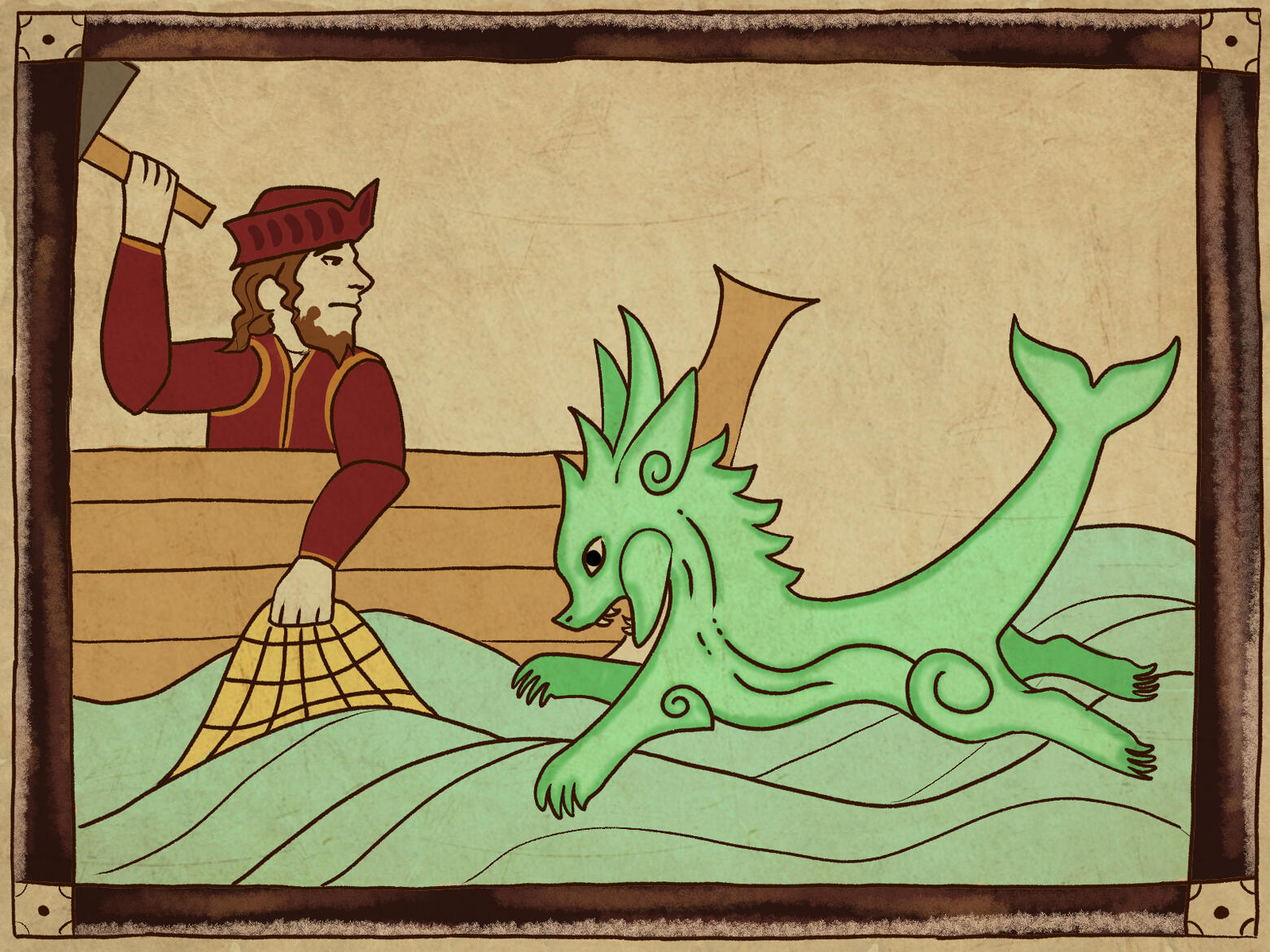
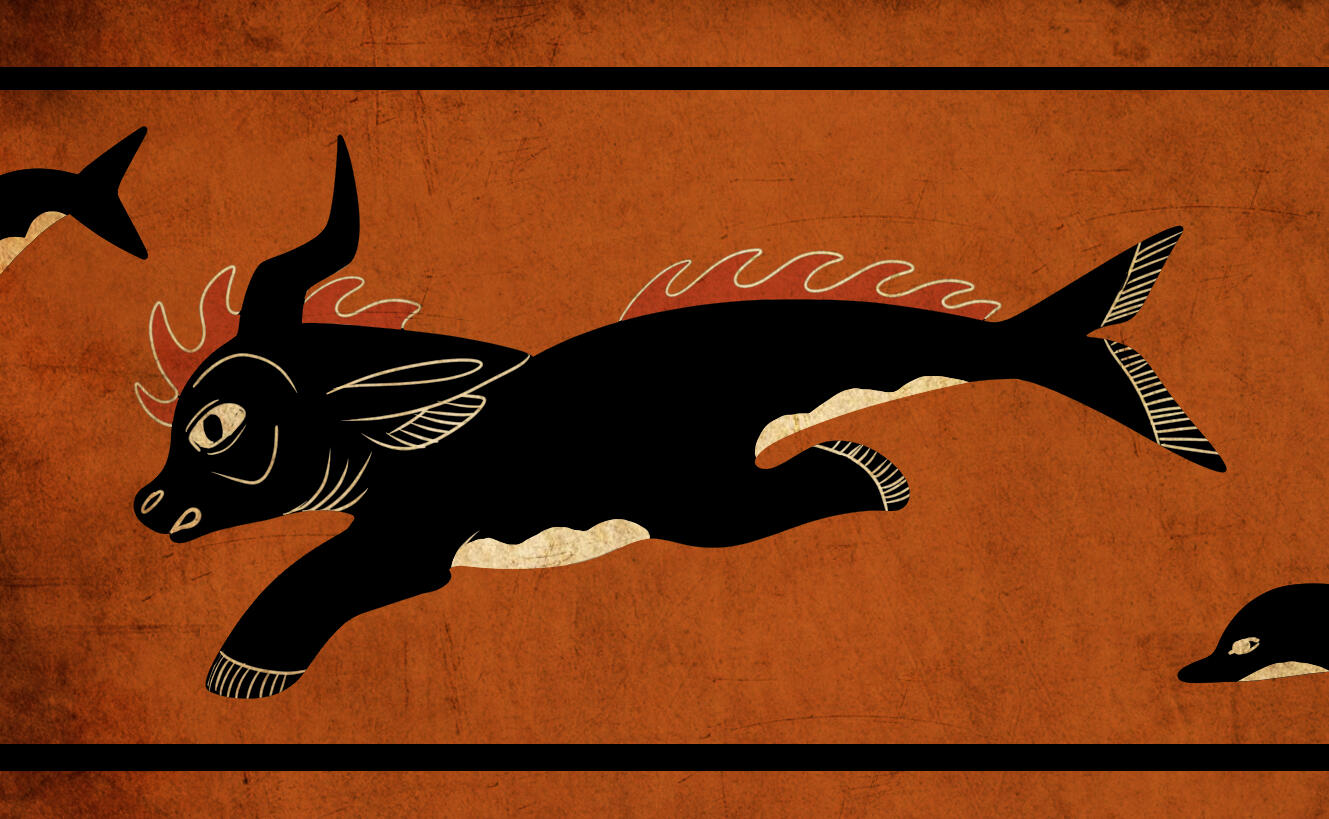
“Hearken, O wise and valiant kin of the sea, and lend thine ears to a tale of wonder and marvel, concerning a creature most rare and mighty. I speak of the Sjøvarg¹, a beast of the ocean’s domain. Behold this marvel of creation: a being lithe and swift, its fur gleaming like the scales of a fish that glint in the sunlit waves. And lo, the feats this creature performs are beyond the ken of mortal eyes!By the Norns’ weaving, I attest to the truth of what I recount. These drakes glide upon the very surface of the waters with a grace so divine that even the sirens of old would bow in reverence. Their movements, akin to the dance of gods, are a sight that defies the bounds of mortal strength and skill.Verily, these drakes cause a man to ponder if the sagas of old hold more than mere fancy. For as they traverse the waters, the sea itself remains undisturbed, and before one can grasp their form, they vanish into the deep like shadows of the underworld.Shouldst thou encounter one of these drakes gracing the waves, it is wise to offer a portion of thy catch in reverence. For if these creatures are indeed favored by Njord, the gift of thy bounty may secure favorable winds and peaceful waters in thy journey. Such is the way to earn the favor of the gods and ensure their blessings upon thy voyage.”
1: Sjøvarg /SHOH-vawrg/ - (lit. Sea Wolves); interpreted to be the first record of the creatures known in modern literature as Skipper Drakes. this modernization is believed to come from english sailors who had witnessed the same creature centuries later.
Life Cycle
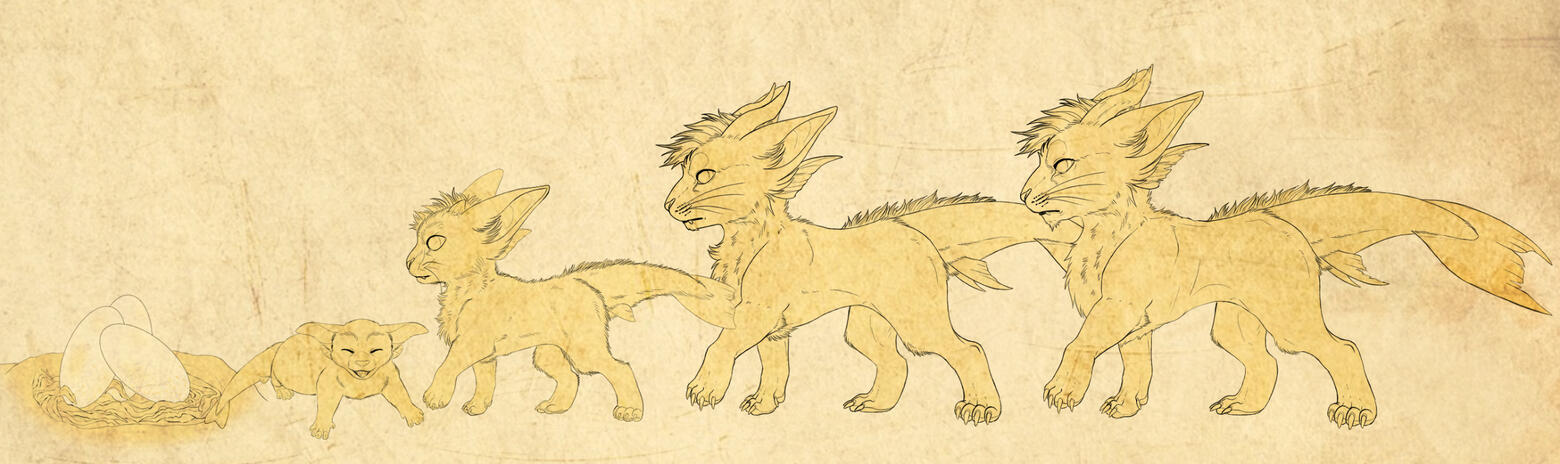
Like many creatures of Atera, skipper drakes live significantly longer lifespans compared to earthly beings, aging at a much slower rate. A healthy, uninjured skipper drake can live up to six times longer than the average human, resulting in lifespans that span several centuries. As they age, physical changes and declining health eventually lead to their passing.A mother skipper drake can produce up to three ripplets in a single clutch. Despite this, their population remains balanced due to the natural passing of previous generations, as well as deaths from predators, poachers, illness, and inter-pod conflicts.Familial bonds within pod societies remain strong across generations, even if a drake’s pod undergoes changes - it is possible for familial units to be broken apart if put through unhealthy cycles, however.
̶̶̶̶ «̶ ̶̶̶ ̶ «̶ ̶̶̶ Egg Stage ̶ ̶»̶ ̶̶̶ ̶ »̶ ̶̶̶
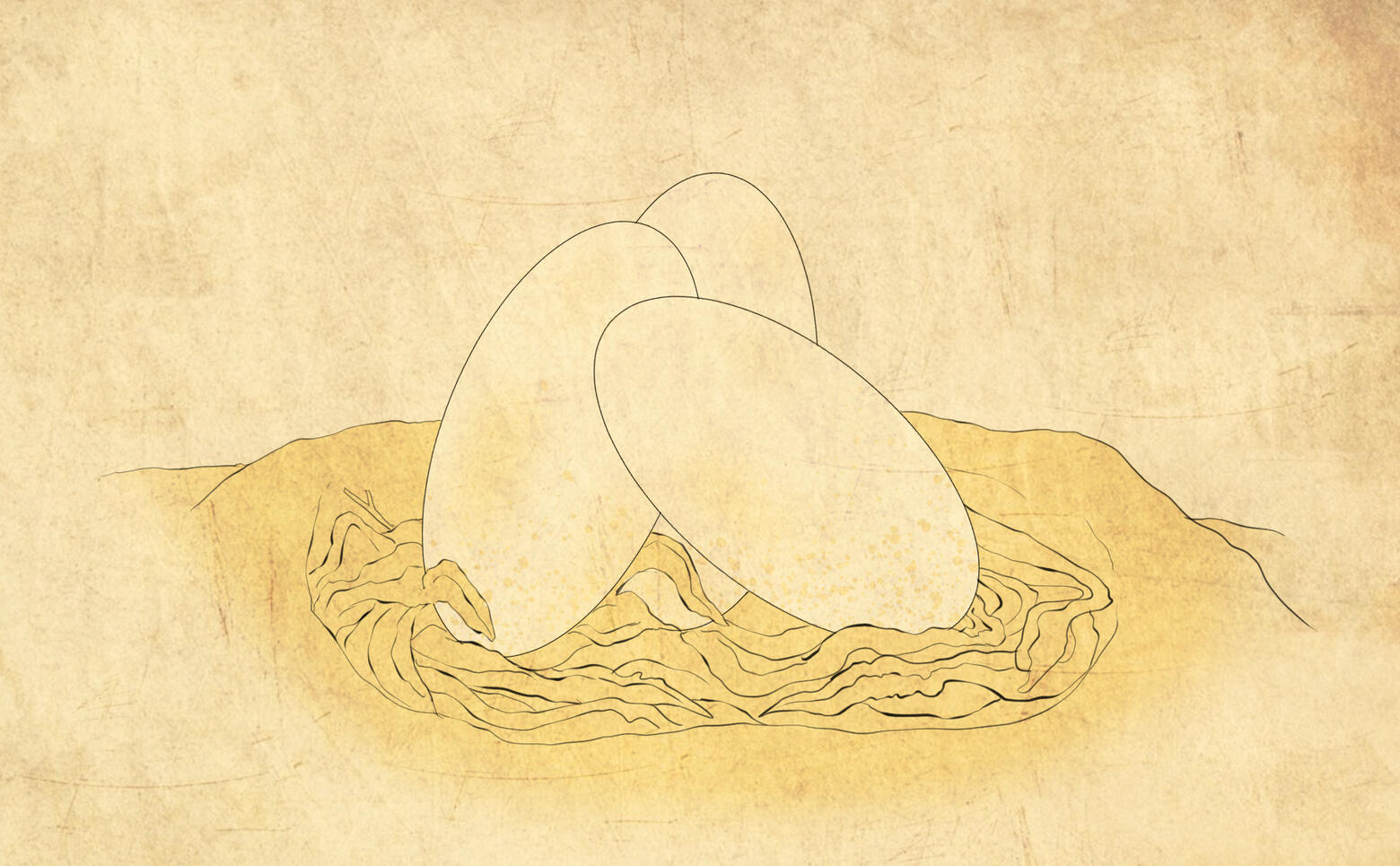
Skipper drake eggs are incubated and developed entirely within the mother's womb, ensuring a stable and consistent temperature throughout their crucial development.After 15 months, the eggs are fully developed, and the mother is ready to lay them in her nest. The eggs are soft-shelled and resemble those of reptiles, with a single clutch containing between one and three eggs. The ripplets begin to emerge from their shells approximately two to three days after being laid. Once the baby drakes have fully emerged, they typically consume the soft shell for its nutritional value.
̶̶̶̶ «̶ ̶̶̶ ̶ «̶ ̶̶̶ Driftling Stage ̶ ̶»̶ ̶̶̶ ̶ »̶ ̶̶̶
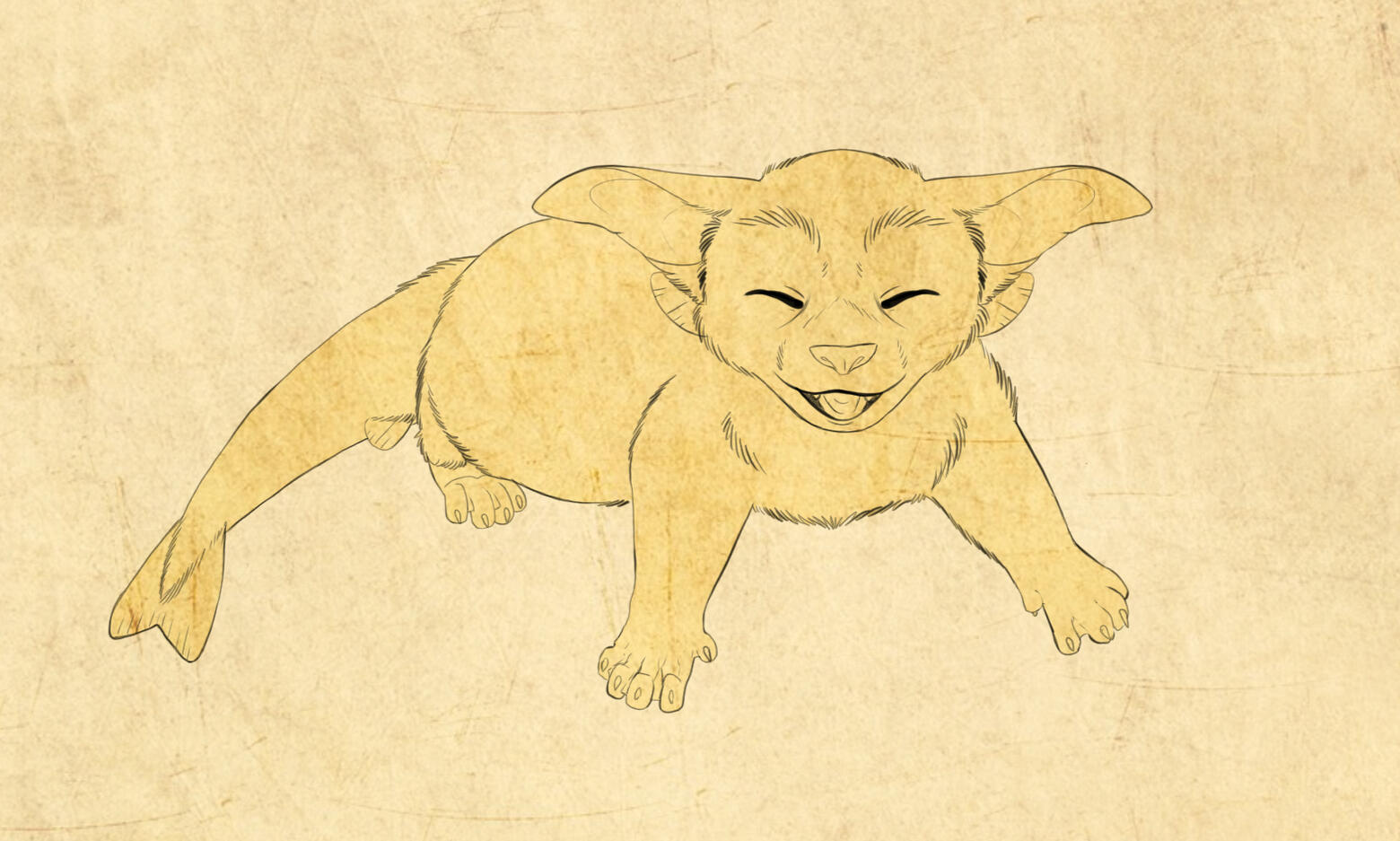
Newly hatched ripplets are referred to as driftlings. During their first four weeks, these young drakes remain on shore to develop coordination, balance, and to nurse. Given their defenseless state, both parents stay close to ensure the driftling’s safety during this vulnerable period. After this period, the parents guide the driftling to the water, beginning to teach them how to swim along the surface. This transition to the aquatic environment is what earned them their name.
̶̶̶̶ «̶ ̶̶̶ ̶ «̶ ̶̶̶ Ripplet Stage ̶ ̶»̶ ̶̶̶ ̶ »̶ ̶̶̶
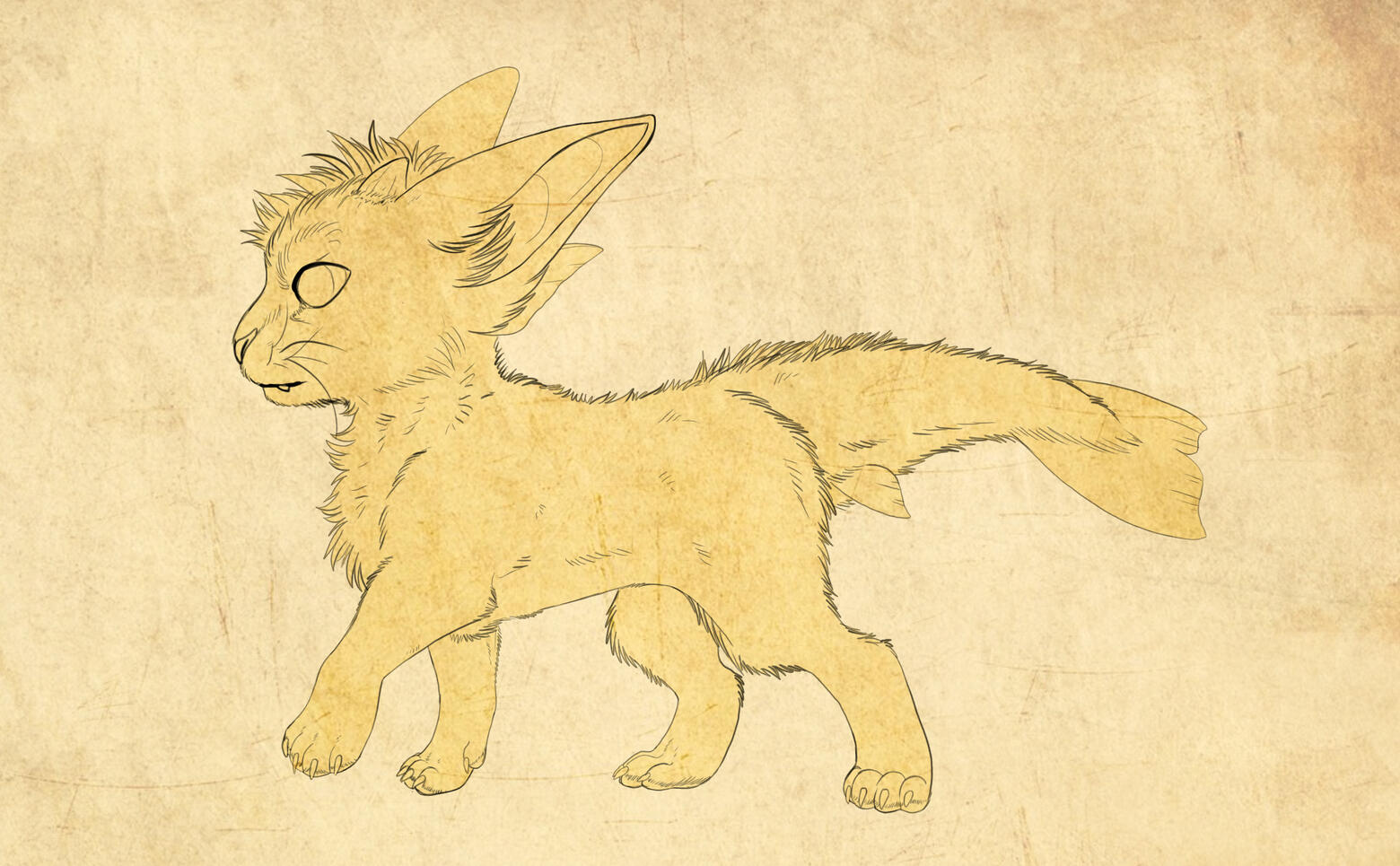
Ripplets reach this stage of development after approximately 6 years, and have gained considerable strength in swimming and maneuvering underwater. At this point, they still require assistance with hunting and most other behaviors due to their small size. They continue to spend substantial time with their parent drakes as well, learning behaviors and skills through observation (and some trial and error). By this time, their manes have begun to develop, but they are hornless and their fins remain transparent. Fin development does not apply to arctic skipper drakes, whose fins are more cartilaginous.Around 30 years of age, the ripplet will have grown significantly and become more independent from its parents. Its horns will start to form, and its fin patterns will begin to develop distinctive designs.As the ripplet stage nears its end around 60 years of age, the drake will have reached full size, fully developed it's horns, and ideally be a skilled and cooperative member of its pod. Skipper drakes do not distinguish between developmental phases within the ripplet stage; all young drakes are considered children until they achieve full maturity.
̶̶̶̶ «̶ ̶̶̶ ̶ «̶ ̶̶̶ Adult Stage ̶ ̶»̶ ̶̶̶ ̶ »̶ ̶̶̶
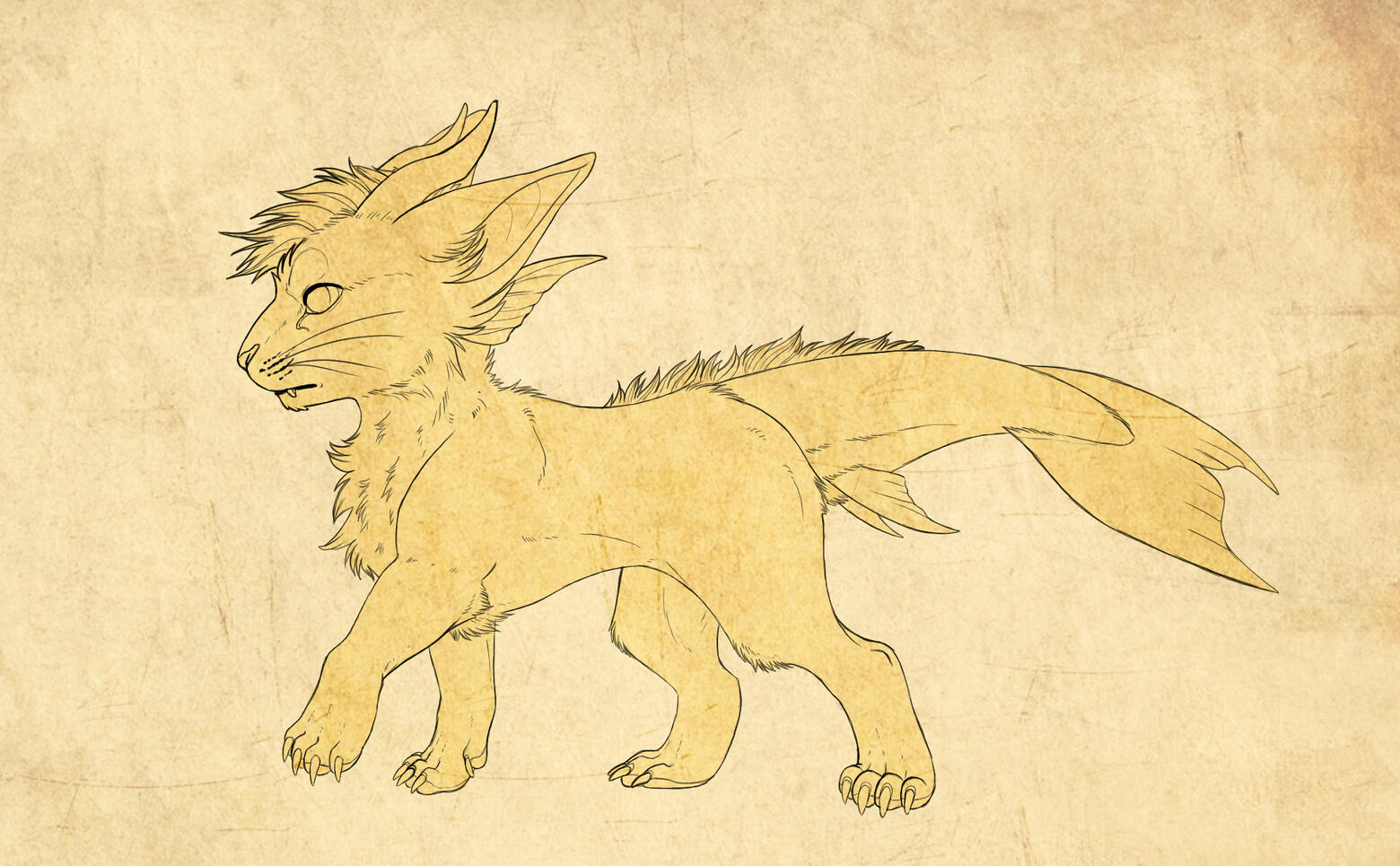
Skipper drakes are considered adults at age 65, when their development is finished and they can fully participate in pod society. At this point their horns have fully come in and their coat is properly grown in accordance with their breed and habitat. Their fins have reached full opacity (if applicable) and now sport their true colors and patterns.It is important to note that while the drake will be considered an adult at this point, they do not participate in their first Spring ceremony until they have reached age 80, as it is considered a coming-of-age milestone. As such, they typically do not reproduce until around that time.
̶̶̶̶ «̶ ̶̶̶ ̶ «̶ ̶̶̶ Elder Stage ̶ ̶»̶ ̶̶̶ ̶ »̶ ̶̶̶
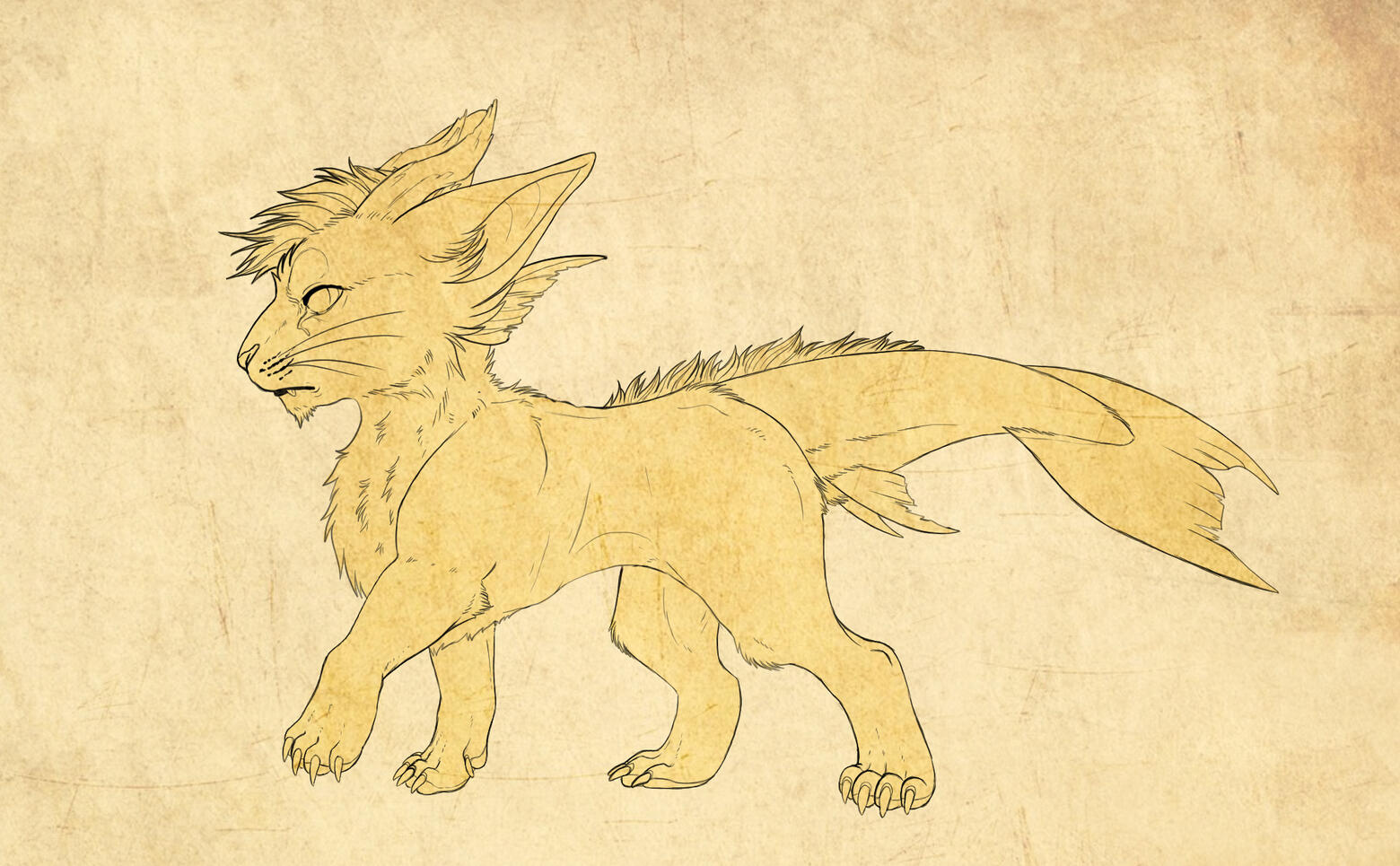
Skipper drakes become known as elders around age 480, where their bodies begin to exhibit signs of age and wear. At this point, their horns may begin to peel or splinter at the tips, muscle mass may begin to deteriorate and joints may be less mobile. Greying fur may begin at this point as well. Elders who have reached an advanced stage of aging and can no longer keep up with their pods will typically venture off on their own journey, looking for a peaceful spot to spend the rest of their days in peace. This also applies to mortally injured drakes as well - burials are not common within pod societies, as it is typically respected that they have chosen where they'd like the be laid to rest.
Glossary
A
Abyssal /uh-BISS-uhl/ - 1.) Deep sea 2.) A breed of skipper drake adapted to living in deep sea environments.Atera /uh-TAIR-uh/ - one of the realms on yggdrasil; the homeworld of skipper drakes as well as other speciesAuxillary Fins /ox-ILL-err-ee finz/ - A small pair of fins located behind a skipper drake's ears / lower jawAqualoom /AWK-wuh-LOOM/ - an authority figure in pod societies that acts as a representative for the waters the pod lives in. They are viewed as a spiritual leader and help maintain the pod's culture and traditions.
B
Brackish /BRACK-ish/ - 1.) water that is slightly salty, such as where a river and the sea meet. 2.) a breed of skipper drake that inhabits slightly salty water
C
Central Ring /SEN-truhl REEng/ - The ring of mountains at the center of Atera and the namesake of the realm.Circle, the /SUR-kuhl/ - nickname for Atera, due to the ring of mountains that it's inhabitants take refuge in. Less commonly used now, as the world is no longer used for hunting.
D
Dorsal Fur /DOR-suhl FUHR/ - The long patch of fur that grows along the top of a skipper drake's tail and hips. Can be any styleDriftling /drIFT-leeng/ - A newly hatched skipper drake
E
Ebb Sleep /EB sl-EEP/ - A very deep, heavy sleep state a skipper drake enters to recover energy. A very common drake behavior.Echoes /ECK-ohz/ - two skipper drakes that form a strong romantic bond with each other. Connected to the belief that their souls were connected together as a part of the water long before their incarnation. Also called an echo bond.
H
Heaven's Peak /HEV-enz PEEK/ - (landmark) The largest mountain in Atera's central ring.- Hringr /REEN-guh/ - Nickname for Atera, due to the ring of mountains that it's inhabitants take refuge in. Less commonly used now, as the world is no longer used for hunting.
M
- Mirror of Asgard /mee-rer uhv az-guard/ - (landmark) A large lake resting at the base of the mountain in The Circle, fed via waterfall by the sacred pool.
P
Pod /PAWD/ - 1.) Collective term for skipper drakes. 2.) An individual community of skipper drakes with it's own societal structure, usually very primitive and animal like but not always.
R
Ripplet /RIP-let/ - A young skipper drake
S
Sacred Pool /SAY-cred POOL/ - (landmark) The pool at the top of Heaven's Peak. The pool is fed by a waterfall that is said to come from Asgard itself. The Sacred Pool waterfalls into a larger pool at the base of Heaven's Peak and feeds two rivers that flow throughout the realm. As the name suggests, the Sacred Pool is considered a spiritual location.Shorebound /SHORR-bownd/ - a skipper drake that prefers to live a more modern lifestyle, typically involving utilizing their bipedal stance and engaging with outside societies. Despite the name, these drakes are not stuck on land - This is usually used with a negative connotation when said by traditional skipper drakes, implying that shorebound drakes are abandoning the water.
T
Tail Fin /TAY-uhl FIN/ - The large primary fin at the tip of a skipper drake's tail.Tidal Spirit /TIE-dull SPEER-it/ - a skipper drake with a gender identity or sex characteristics that fall outside the binary. Often looked at with honor, as they are believed to be embodiments of the ever-changing nature of the sea.Traditional /truh-DISH-un-uhl/ - (of skipper drake pods) a more primitive, animal-like way of living that embraces their primal nature as opposed to a modern and progressive lifestyle.
V
Ventral Fins /VENN-truhl FINZ/ - the two smaller fins located on the underside of their tail, near the base. Provides stability when swimming.
̶̶̶̶ «̶ ̶̶̶ ̶ «̶ ̶̶̶ Canon Characters ̶ ̶»̶ ̶̶̶ ̶ »̶ ̶̶̶
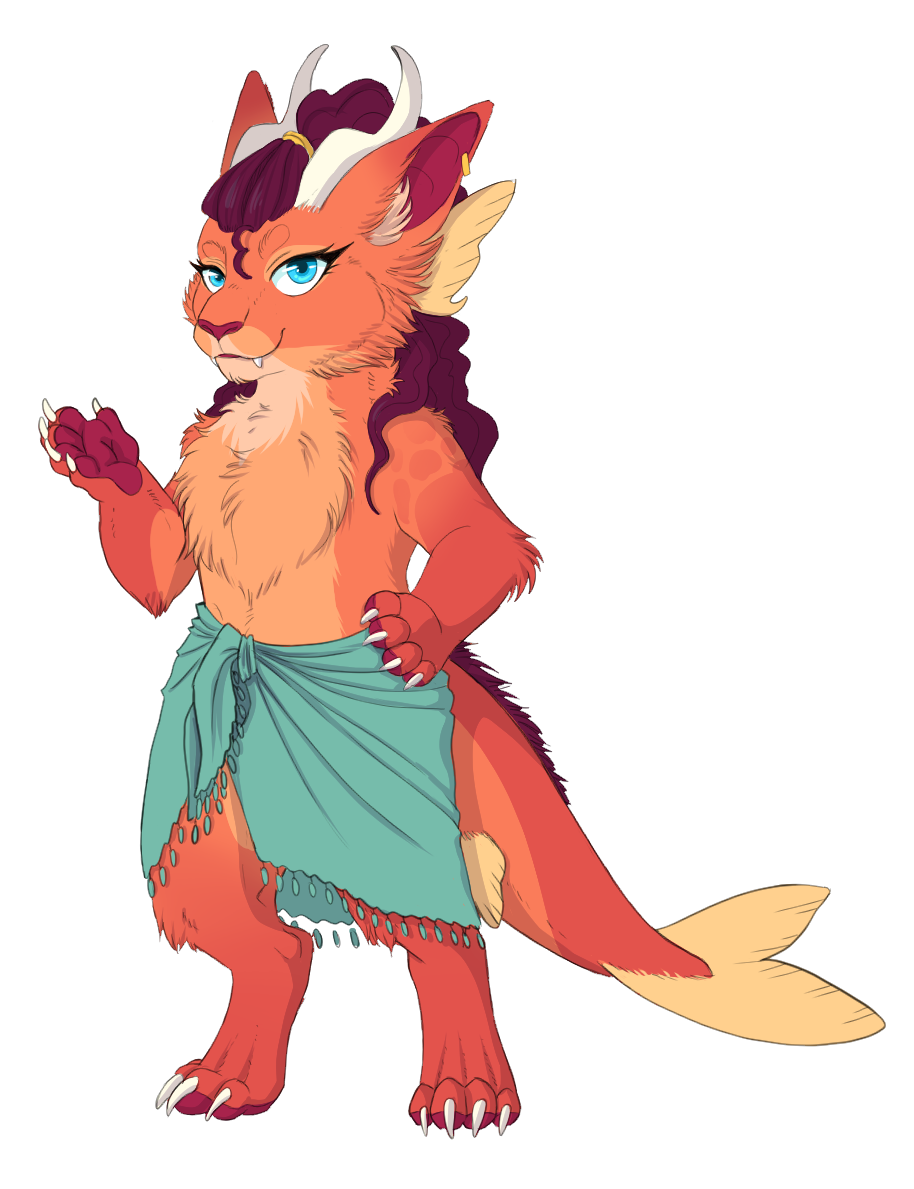
Valkyrie
/Val-ker-ee/
She/herValkyrie is a young adult skipper drake who can be a bit of a spitfire. She is very combative and quick to jump to the defense. She has a history of getting into fights within her pod, earning her a reputation as an annoyance to the frustration of her parents. She often complains of boredom with her everyday life and daydreams about opportunities to go out and explore, but is just waiting for the right chance.
Havstrid
/HAV-stridd/
He/HimHavstrid is a gruff, imposing alpha in Valkyrie's pod.... and her father. He displays himself as no nonsense to outsiders, but is actually quite an attentive and doting parent... if not frustrated with his daughter's antics. It is clear he has his pod's best interests in mind, despite his abrasive first impression.

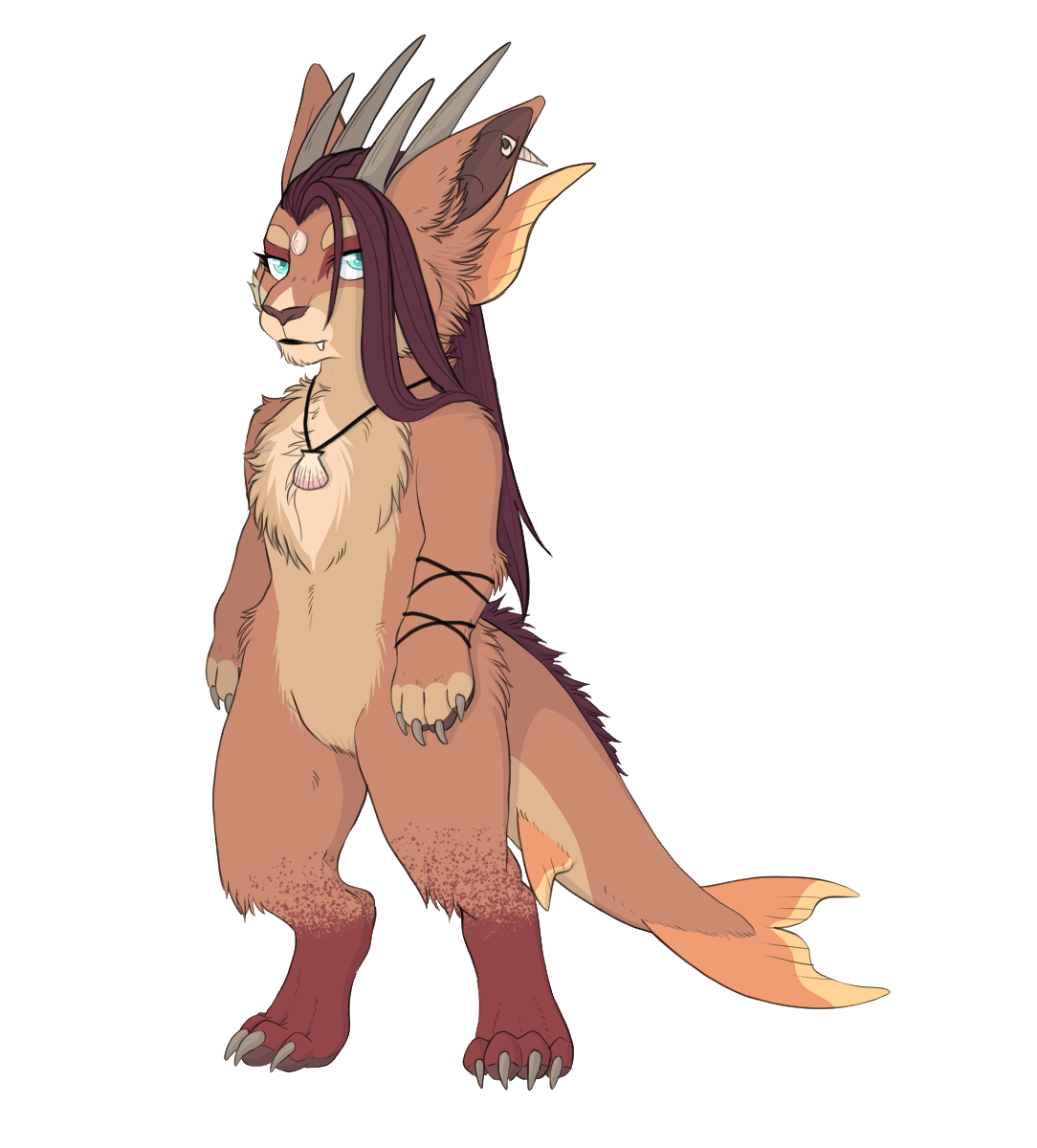
Liora
/lee-ORE-uh/
She/herLiora is Valkyrie's sister, and the Aqualoom for her pod. She is quite opposite to Valkyrie in terms of personality, displaying herself as very soft-spoken and introverted. She does not show emotion very often, but is incredibly adept at her water divination, making her well respected within her pod. She cares deeply about Valkyrie, and worries that her sister's interest in modern societies could get her hurt.
Social Behavior
̶̶̶̶ «̶ ̶̶̶ ̶ «̶ ̶̶̶ Communities ̶ ̶»̶ ̶̶̶ ̶ »̶ ̶̶̶
All skipper drakes regardless of breed live in pods, or social communities. While many share the same broad habitat — such as oceans, lakes, or rivers — each pod claims its own territory within that habitat. Each pod community functions as an isolated social ecosystem with its own distinct rules, traditions, and customs, though many pods do share common elements. For instance, many pods have an alpha who leads them, but the specific role and authority of each alpha can vary between pods.Some pods maintain traditional behaviors and practices to preserve their cultural heritage. This can include minimal use of their bipedal forms, limited adoption of modern or crafted garments, and a reluctance to interact with outside species. Alternatively, other pods may embrace modern changes or view such traditions indifferently. This divergence in beliefs often results in the emergence of shorebound drakes—individuals who adopt a more bipedal, modern lifestyle. These drakes frequently find themselves outcast from their traditional pods due to their differing values and ways of life.Many pods have one or more Aqualooms, who serve as custodians of their traditions, culture, and beliefs. The Aqualoom's role is to uphold and honor the pod's ceremonies and celebrations while integrating these practices into daily life. Aqualooms may also act as representatives for the waters they inhabit, interpreting the 'voice of the water' in alignment with the pod’s belief system. In many respects, this role is akin to that of an oracle and is respected as a spiritual leader within the community.
̶̶̶̶ «̶ ̶̶̶ ̶ «̶ ̶̶̶ Commerce ̶ ̶»̶ ̶̶̶ ̶ »̶ ̶̶̶
In skipper drake pods, markets and commercial exchanges are almost unheard of. These societies rely on a communal system where members support one another within their tribe-like ecosystems. Resource sharing and mutual aid are central to their way of life, and each pod tends to fulfill its own needs through cooperative efforts rather than external assistance. The closed nature of these communities also makes them wary of outsiders, further limiting the development of trade systems outside of other pods.Shorebound drakes are more inclined to seek out communal exchanges and opportunities to engage with trade. Their openness to integrating with outsiders often leads them to explore external opportunities and establish connections beyond their traditional pods. This willingness to adapt and engage with broader culture contrasts with the near-xenophobic tendencies of their traditional pods.
̶̶̶̶ «̶ ̶̶̶ ̶ «̶ ̶̶̶ Courtship ̶ ̶»̶ ̶̶̶ ̶ »̶ ̶̶̶
In skipper drake pod societies, courtship is generally seen as a necessary part of life, without the expectation of forming lifelong bonds before producing offspring. This results in a breeding season that is regarded as more of a ceremonial ritual (or a very exciting celebration to some) than a deeply personal event.Yet, when two skippers forge a significant and lasting bond their union is considered a profound blessing. It is believed that their spirits were intertwined within the ocean itself long before their incarnation as skipper drakes. Such a pair, known as Echoes, garners deep respect for their enduring commitment and devotion that is believed to transcend lifetimes.An Echo is a revered status within any pod society, regardless of breed, and is not pursued lightly. Because of this, skipper drakes typically adopt a 'come what may' approach to finding their bonded mate rather than actively seeking out this sacred connection.
̶̶̶̶ «̶ ̶̶̶ ̶ «̶ ̶̶̶ Hunting ̶ ̶»̶ ̶̶̶ ̶ »̶ ̶̶̶
Many pods that adhere to traditional lifestyles rely on their primal instincts for hunting and gathering food. These drakes use their claws, paws, and maws, pursuing prey much like other marine animals.This is in contrast to shorebound drakes, who adopt a more modern approach and often use handmade tools such as spears and nets. This shift allows them to capture a wider range of prey, including larger land-dwelling animals.An evolutionary trait of marine skipper drakes is their resistance to many toxins found in saltwater fish, making these fish a staple in their diet. Because of this, drakes that have recently fed on such fish may possess a venomous bite due to residual toxins in their saliva, enhancing their effectiveness as formidable opponents in combat or providing a very effective defense mechanism.
̶̶̶̶ «̶ ̶̶̶ ̶ «̶ ̶̶̶ Napping ̶ ̶»̶ ̶̶̶ ̶ »̶ ̶̶̶
Due to the high energy demands of swimming for most of the day, skipper drakes require more rest than many other creatures to prevent injury. As a result, they are commonly found taking their notorious naps along the edges of their aquatic habitats—whether by rivers, on beaches, or along lake shores. When a skipper drake enters Ebb Sleep — their deepest and most profound slumber — they become nearly impossible to awaken. This trait has gained them a certain infamy, as beachgoers or fishermen seeking to relax by the water often encounter entire pods littering the sands and blocking their way.The timing of Ebb Sleep varies among pods, though many prefer to bask in the afternoon sun, allowing the warmth to soothe their fur during rest. While shorebound drakes require significantly less rest than their traditional counterparts, they still observe and thoroughly enjoy their cultural practice of napping.Ebb Sleep does not come without significant risk, however - as their inability to awaken easily makes them a significant target for poachers or other unsavory threats.
̶̶̶̶ «̶ ̶̶̶ ̶ «̶ ̶̶̶ Spirituality ̶ ̶»̶ ̶̶̶ ̶ »̶ ̶̶̶
Skipper drake spirituality is deeply intertwined with the water, especially the ocean, which is revered as a divine entity in its own right. For them, the water is not merely a habitat but a sacred presence that embodies the essence of life and spiritual power. The ocean especially is venerated as a living deity, with its currents, tides, and depths seen as manifestations of divine will and influence. Aqualoom practices and daily rituals are deeply rooted in this reverence, with water being central to their spiritual expressions and cultural identity. Skipper drakes believe that their connection to the water shapes their existence, guides their actions, and binds their community in a way that blends their lives with the natural world around them.Consequently, many skipper drake societies believe that their souls are born from the water itself, given physical form at the time of their birth and will return to the sea at the time of their death. This can be in the form of the water, the plants or other seaborn creatures.